

What's Happening?
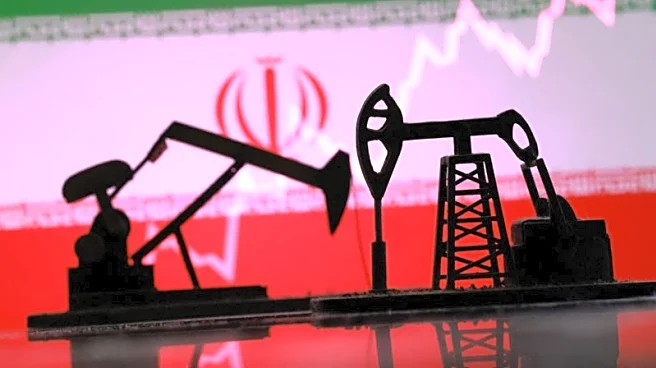
Despite the United States being the world's largest oil producer, gasoline prices have risen sharply due to global market dynamics. The national average for gasoline has increased to $3.32 per gallon, up from $2.98, following disruptions in the Strait
of Hormuz caused by the conflict in Iran. This strait is a critical passage for global oil flows, and its disruption has led to a spike in crude oil prices, which in turn affects gasoline prices. The U.S. oil production is primarily lighter, 'sweeter' crude, while the country's refineries are designed for heavier crude, necessitating imports and contributing to price volatility.
Why It's Important?
The rise in gasoline prices highlights the interconnectedness of global energy markets and the vulnerability of domestic prices to international events. This situation underscores the challenges of achieving energy independence and the need for a diversified energy strategy. Higher fuel prices can have widespread economic impacts, increasing costs for consumers and businesses, and potentially slowing economic growth. The situation also emphasizes the importance of strategic reserves and the role of government policy in managing energy security and market stability.
What's Next?
If tensions in the Middle East persist, further disruptions in oil supply routes could lead to continued volatility in gasoline prices. The U.S. may need to explore alternative energy sources and technologies to mitigate the impact of such disruptions. Policymakers might consider measures to stabilize prices, such as releasing strategic reserves or incentivizing domestic production. The situation could also prompt a reevaluation of energy policies, focusing on reducing reliance on foreign oil and increasing investment in renewable energy sources.