


What's Happening?
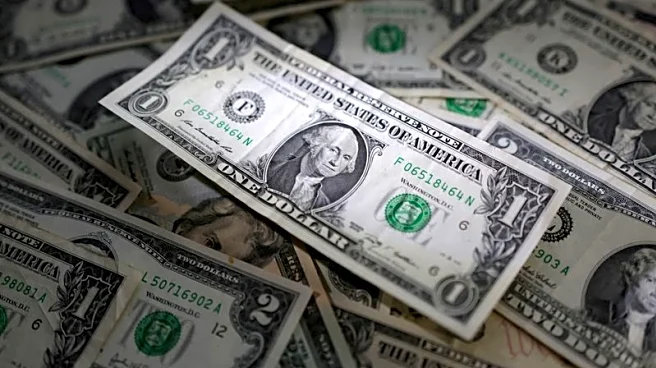
The U.S. dollar has experienced a nearly 10% decline in value since the beginning of last year, affecting its exchange rate against currencies of major U.S. trading partners. This depreciation is expected to lead to higher prices for imported goods and increased costs for Americans traveling abroad. Analysts attribute the dollar's weakening to concerns over inflation and potential interest rate cuts, which could make U.S. Treasuries less attractive. The decline in the dollar's value is also linked to diminishing investor confidence in the U.S. economy, partly due to rising national debt and fluctuating tariffs.
Why It's Important?
The weakening of the U.S. dollar has significant implications for the economy and consumers. As the dollar loses value, importers face
higher costs, which are likely to be passed on to consumers in the form of increased prices for goods such as electronics, clothing, and fresh produce. Additionally, U.S. travelers will find their expenses abroad rising as their dollars exchange for less foreign currency. On the flip side, a weaker dollar can benefit U.S. exporters by making their goods more competitively priced on the global market, potentially boosting export-driven industries and tourism.
What's Next?
If the trend of a weakening dollar continues, it could lead to further adjustments in consumer prices and international trade dynamics. The Federal Reserve's monetary policy decisions, particularly regarding interest rates, will be closely watched as they could influence the dollar's value. Additionally, the U.S. government may need to address underlying economic concerns, such as national debt and trade policies, to restore confidence in the dollar's stability.