



What's Happening?
Vianode and cylib have entered into a memorandum of understanding to integrate recycled graphite into battery anode materials. This partnership aims to enhance European material independence and reduce the carbon footprint of the battery supply chain.
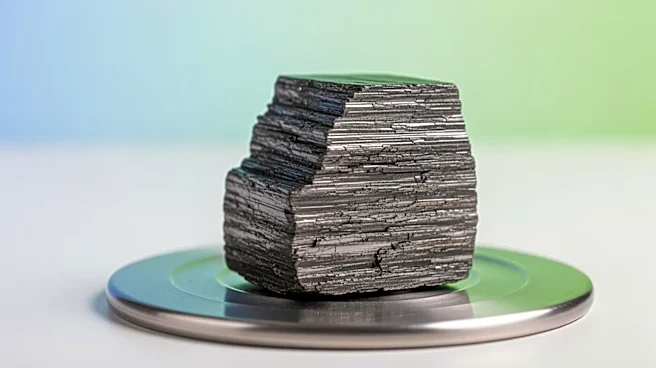
cylib's OLiC process recovers over 90% of key materials like lithium and graphite with significantly lower carbon emissions. Vianode will test and develop formulations using this recycled graphite, with plans to negotiate a commercial agreement for sustainable supply if successful. This collaboration supports the EU's goals for a resilient, low-carbon battery ecosystem.
Why It's Important?
The collaboration between Vianode and cylib represents a significant step towards sustainable battery production. By focusing on recycled materials, the partnership addresses environmental concerns and reduces reliance on virgin raw materials. This initiative aligns with the EU's ambitions for a circular economy and could set a precedent for other industries to follow. The successful integration of recycled graphite could lead to cost savings and competitive advantages for European battery manufacturers, potentially influencing global supply chain practices and promoting sustainability in the energy sector.
What's Next?
Vianode and cylib will continue to develop and test the use of recycled graphite in battery anodes. If the pilot phase is successful, a commercial agreement will be pursued to ensure a steady supply of recycled materials. This could lead to broader adoption of sustainable practices in the battery industry. Stakeholders, including policymakers and environmental groups, will likely monitor the outcomes of this collaboration as it could impact regulatory frameworks and industry standards for battery production.