





What's Happening?
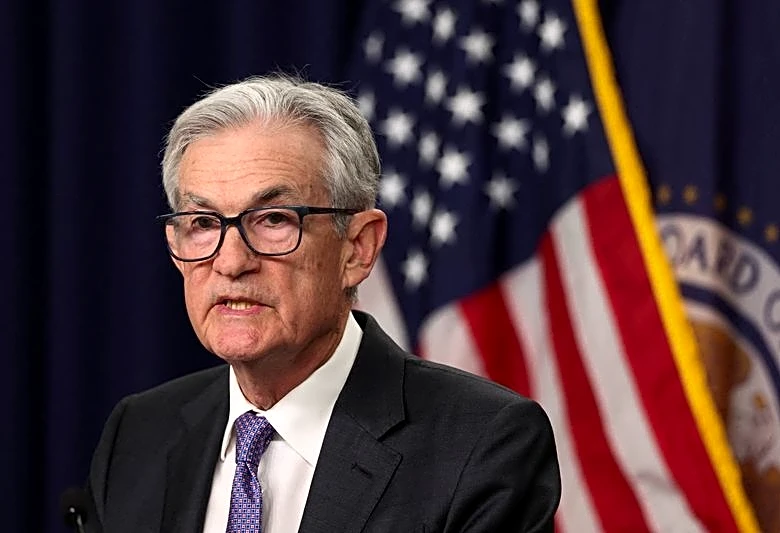
Kevin Warsh, nominated by President Trump to be the next Federal Reserve chair, could become the wealthiest individual to hold the position if confirmed. Warsh, who previously served as a Fed governor, disclosed assets exceeding $100 million. His financial
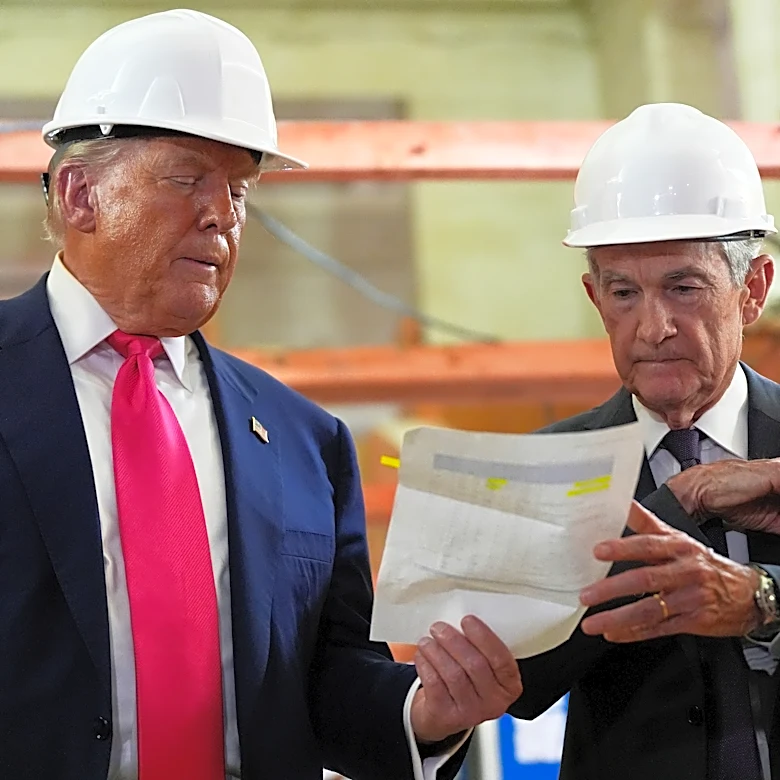
holdings include significant investments in the Juggernaut Fund LP and consulting fees from Stanley Druckenmiller. Warsh has agreed to divest many of his financial assets within 90 days of confirmation, adhering to strict Fed rules on investments. He is set to replace Jerome Powell, with whom President Trump has had public disagreements over interest rate policies. Warsh has publicly supported Trump's stance on interest rates, criticizing the Fed's hesitancy to cut rates. The Senate Banking Committee will hold a hearing next week to discuss Warsh's nomination.
Why It's Important?
Warsh's nomination is significant as it could shift the Federal Reserve's approach to monetary policy, aligning more closely with President Trump's economic strategies. His wealth and connections to major financial entities may influence his policy decisions, potentially impacting interest rates and economic stability. The nomination also highlights ongoing tensions between the executive branch and the Federal Reserve, with implications for the Fed's independence. Warsh's confirmation could lead to changes in how the Fed addresses inflation and economic growth, affecting businesses, investors, and consumers across the U.S.
What's Next?
The Senate Banking Committee will evaluate Warsh's qualifications and potential conflicts of interest in the upcoming hearing. Key issues include his financial disclosures and alignment with President Trump's economic policies. Some senators have expressed concerns about the timing of the nomination, given ongoing investigations into the Federal Reserve. The outcome of the hearing will determine whether Warsh's nomination proceeds to a full Senate vote. Stakeholders, including financial markets and political leaders, will closely monitor the process, as Warsh's confirmation could signal a shift in U.S. monetary policy.