

What's Happening?
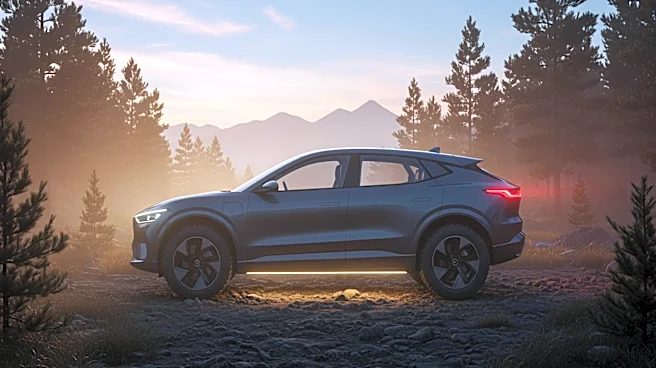
Subaru has introduced the 2026 Trailseeker, an all-electric SUV designed for adventure enthusiasts. The vehicle, developed in collaboration with Toyota, features a dual-motor all-wheel-drive powertrain and a 74.7 kWh battery, offering 375 horsepower and a 0-60
mph acceleration in 4.4 seconds. It boasts an estimated range of 280 miles on a full charge and can recharge from 10-80% in about 28 minutes using a standard NACS charge port, compatible with Tesla's Supercharger network. The Trailseeker can tow up to 3,500 pounds and includes features like 8.5 inches of ground clearance, selectable driving modes for various terrains, and a streamlined design that omits a traditional glove compartment to enhance maneuverability and off-road performance.
Why It's Important?
The introduction of the Trailseeker marks Subaru's significant entry into the electric vehicle market, particularly targeting the adventure and outdoor segment. This move aligns with the growing consumer demand for electric vehicles that do not compromise on performance or utility. By leveraging Toyota's technology, Subaru aims to offer a competitive product that appeals to environmentally conscious consumers who also value off-road capabilities. The Trailseeker's compatibility with Tesla's Supercharger network further enhances its appeal by providing access to a widespread charging infrastructure, potentially increasing its market competitiveness against other electric SUVs.
What's Next?
Subaru's launch of the Trailseeker could prompt other automakers to accelerate their own electric vehicle offerings, particularly in the adventure and SUV segments. As the market for electric vehicles continues to expand, Subaru may explore additional partnerships or technological advancements to enhance its EV lineup. Consumer reception and sales performance of the Trailseeker will likely influence Subaru's future strategies in the electric vehicle market, including potential expansions or updates to the Trailseeker model.
Beyond the Headlines
The Trailseeker's design choices, such as the omission of a glove compartment for improved weight distribution and performance, reflect a broader trend in the automotive industry towards innovative design solutions that prioritize efficiency and functionality. This approach may influence future vehicle designs, encouraging manufacturers to rethink traditional features in favor of performance and environmental benefits. Additionally, Subaru's focus on adventure-ready electric vehicles could inspire similar offerings from competitors, potentially reshaping consumer expectations and preferences in the SUV market.