


What's Happening?
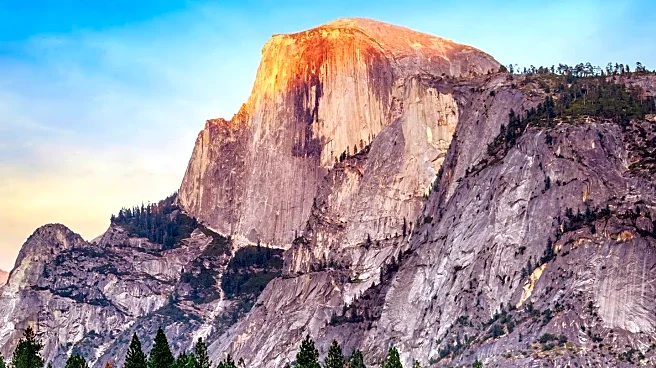
A traveler managed to visit 11 national parks across the United States in a 30-day road trip, spending only $1,500. The trip included stops at iconic locations such as Joshua Tree, Grand Canyon, and Zion. The traveler employed several cost-saving strategies,
including a strict $100 weekly grocery budget and a $50 weekly restaurant budget. They also utilized apps like GasBuddy to find the cheapest gas prices and Campendium to locate free campsites. The traveler emphasized the importance of planning, noting that many park reservations open six months in advance. Despite the success, they expressed a desire to have stayed overnight in more national parks and forests.
Why It's Important?
This story highlights the accessibility of America's national parks for budget-conscious travelers. By sharing practical tips and strategies, it encourages more people to explore these natural wonders without financial strain. The traveler's experience underscores the value of planning and resourcefulness, which can make such trips feasible for a wider audience. This approach not only promotes tourism within the U.S. but also supports local economies around these parks. Additionally, it raises awareness about the affordability of outdoor adventures, potentially increasing visitation and appreciation for national parks.
What's Next?
The traveler's experience may inspire others to embark on similar budget-friendly adventures, potentially leading to increased interest in national parks. As more people seek cost-effective travel options, there could be a rise in the use of apps and resources that facilitate affordable travel. This trend might also prompt national parks to offer more budget-friendly amenities and services to accommodate the growing demand. Furthermore, the travel industry could see a shift towards promoting sustainable and economical travel experiences.