


What's Happening?
The ongoing conflict between the United States and Iran has led to significant disruptions in global oil markets, causing a surge in oil prices. U.S. crude oil prices have increased by 8.5%, reaching over $81 per barrel, marking the largest single-day
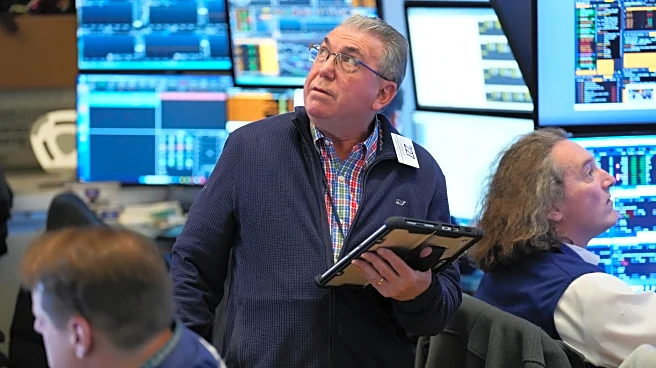
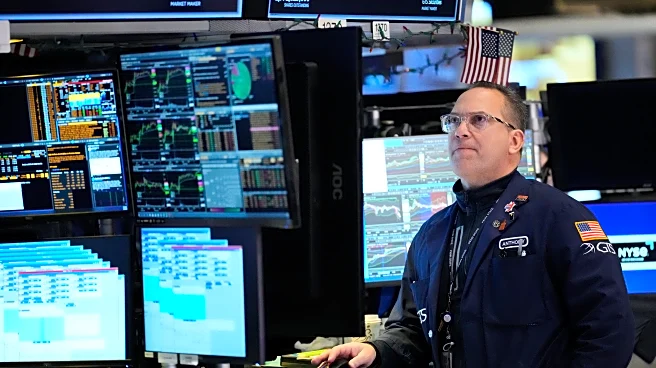
gain since May 2020. This escalation is attributed to the halted flow of oil tankers through the Strait of Hormuz, a critical passage for global oil supply. The conflict has also affected stock markets, with the Dow Jones Industrial Average dropping by 785 points, or 1.61%, and the S&P 500 and Nasdaq experiencing declines as well. The uncertainty surrounding the duration and impact of the conflict is causing volatility in financial markets, with investors seeking safe havens such as the U.S. dollar, which has strengthened against other major currencies.
Why It's Important?
The rise in oil prices due to the Iran conflict poses a significant challenge for the Federal Reserve as it complicates the inflation outlook. Higher energy prices can lead to increased inflation, which may influence the Fed's monetary policy decisions, including interest rate adjustments. The situation also impacts the broader economy, as higher fuel costs can affect consumer spending and business operations. The financial markets are reacting to the uncertainty, with increased volatility and a shift towards safer investments. This development underscores the interconnectedness of geopolitical events and economic stability, highlighting the potential for prolonged disruptions to global energy supplies and their ripple effects on the U.S. economy.
What's Next?
The Federal Reserve will need to closely monitor the situation and assess the potential long-term impacts on inflation and economic growth. The central bank may face pressure to adjust interest rates to manage inflationary pressures, depending on how the conflict evolves. Investors and businesses will be watching for any signs of de-escalation or further escalation in the conflict, as these developments will influence market sentiment and economic forecasts. The resumption of oil transit through the Strait of Hormuz and the duration of the conflict will be key factors in determining the future economic landscape.