







What's Happening?
Electric mobility is increasingly being recognized as a transformative force in agriculture, offering a sustainable alternative to traditional fossil-fuel-powered machinery. The agriculture sector, a significant contributor to global greenhouse gas emissions,
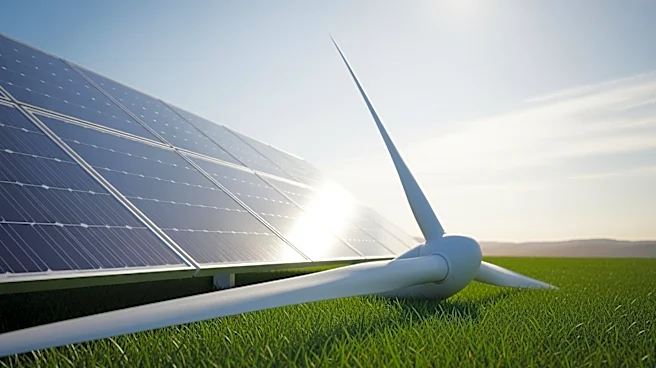
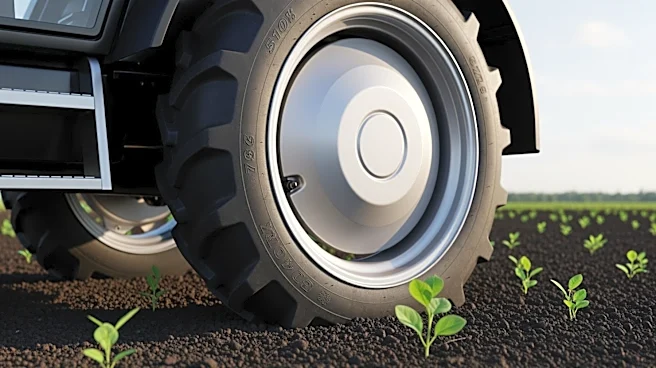
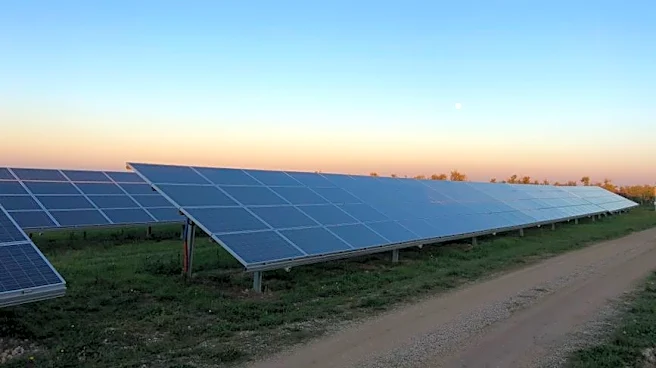
is under pressure to adopt cleaner practices. Electric tractors, utility vehicles, and battery-powered irrigation systems are emerging as viable solutions to reduce fuel expenses and environmental impact. These electric alternatives not only lower operating costs but also contribute to reducing the carbon footprint of farms. The integration of renewable energy, such as solar-powered charging stations, further enhances the sustainability of electric mobility in agriculture. This shift is supported by government incentives and technological advancements, making electric agricultural equipment more accessible and affordable for farmers.
Why It's Important?
The adoption of electric mobility in agriculture is crucial for reducing greenhouse gas emissions and achieving global climate goals. By transitioning to electric machinery, farms can significantly cut down on carbon dioxide and other pollutants, improving air quality and contributing to climate change mitigation. Economically, electric mobility reduces farmers' vulnerability to fluctuating fuel prices, offering a more stable and cost-effective solution. The operational efficiency of electric equipment, equipped with smart technologies, allows for precision farming, optimizing resource usage and improving crop yields. This shift not only supports environmental sustainability but also enhances the economic viability of farming, particularly for small and marginal farmers who benefit from lower costs and increased accessibility to advanced technologies.
What's Next?
As battery technology continues to advance and production scales increase, the cost of electric agricultural equipment is expected to decline, making it more accessible to a broader range of farmers. The global electric tractor market is projected to grow significantly, driven by technological innovation and government incentives. This growth will likely lead to further adoption of electric mobility solutions in agriculture, supported by policy measures and subsidies aimed at promoting cleaner technologies. The continued expansion of renewable energy infrastructure, such as solar-powered systems, will further integrate with electric mobility, creating a sustainable ecosystem for agriculture. This transition is poised to play a critical role in shaping the future of farming, balancing productivity with environmental responsibility.