

What's Happening?
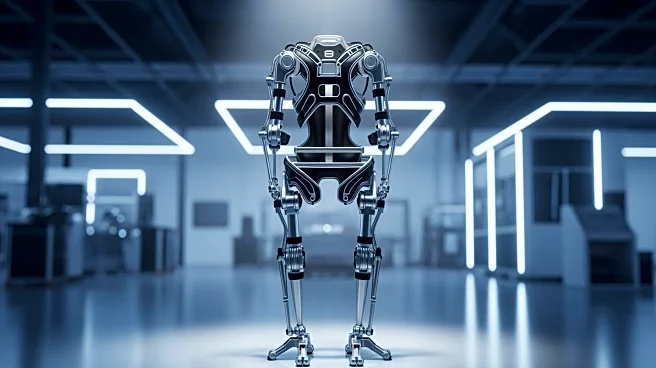
A study conducted by researchers at Santa Clara University explored the use of passive exoskeletons in manufacturing to improve ergonomics and reduce physical strain on workers. The study involved participants performing tasks such as walking, lifting,
and carrying boxes with and without the exoskeleton. Results indicated a significant reduction in perceived physical exertion when using the exoskeleton, particularly in the lower back, knees, and shoulders. The exoskeletons, which rely on springs and pulleys, are designed to be user-friendly and enhance mobility and comfort.
Why It's Important?
The adoption of exoskeletons in manufacturing could lead to significant improvements in worker safety and productivity by reducing the physical strain associated with manual labor. This technology has the potential to decrease the incidence of work-related injuries, particularly musculoskeletal disorders, which are common in industries involving repetitive tasks. By improving ergonomics, exoskeletons can enhance worker well-being and potentially reduce healthcare costs associated with workplace injuries.
What's Next?
Further research is needed to evaluate the long-term effects of exoskeleton use and to optimize their design for various tasks and user needs. As the technology becomes more affordable and user-friendly, wider adoption in manufacturing settings is anticipated. Ongoing studies will likely focus on customizing exoskeletons to individual workers to maximize their benefits and address any potential drawbacks.