


What's Happening?
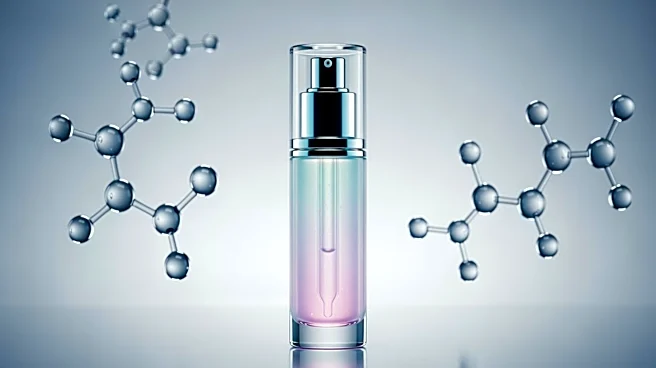
The Korean beauty industry has introduced polydeoxyribonucleotide (PDRN), a DNA extract from salmon sperm, as the latest popular ingredient in skin care products. Known for its regenerative properties, PDRN is being incorporated into various beauty products,
including medical-grade treatments and topical serums. The ingredient is praised for its ability to stimulate collagen production, provide anti-inflammatory and anti-microbial benefits, and aid in wound healing. While traditionally derived from salmon sperm, plant-based alternatives are emerging, utilizing DNA fragments from sources like rice and rose. This shift towards vegan-friendly options is making PDRN more accessible and affordable for consumers.
Why It's Important?
The introduction of PDRN in skin care products signifies a growing trend in the beauty industry towards ingredients that offer regenerative and healing properties. This development could lead to increased consumer demand for products that promise youthful and healthy skin. The availability of plant-based alternatives also reflects a broader industry shift towards sustainability and inclusivity, catering to consumers who prefer vegan and eco-friendly options. As PDRN gains popularity, it may influence product formulations and marketing strategies within the beauty sector, potentially driving innovation and competition among brands.
What's Next?
As PDRN continues to gain traction, beauty brands may expand their product lines to include more PDRN-based offerings. This could lead to collaborations with dermatologists and researchers to further explore the benefits and applications of PDRN in skin care. Additionally, regulatory bodies may begin to scrutinize the claims made by brands regarding the efficacy of PDRN, ensuring that consumers receive accurate information. The trend may also inspire other industries, such as pharmaceuticals, to investigate the potential uses of PDRN in medical treatments.
Beyond the Headlines
The rise of PDRN in the beauty industry highlights ethical considerations regarding the sourcing of ingredients. As consumers become more aware of the origins of their products, brands may face pressure to ensure ethical and sustainable sourcing practices. This could lead to increased transparency in the supply chain and a push for certifications that validate the ethical production of beauty ingredients. Furthermore, the popularity of PDRN may spark discussions about the cultural exchange between Eastern and Western beauty practices, fostering a deeper understanding and appreciation of diverse beauty traditions.