

What's Happening?
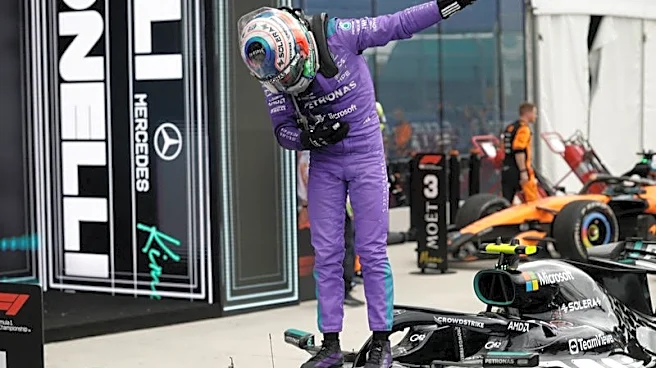
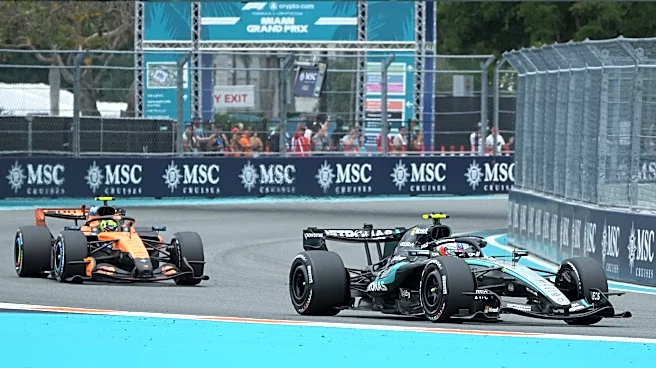
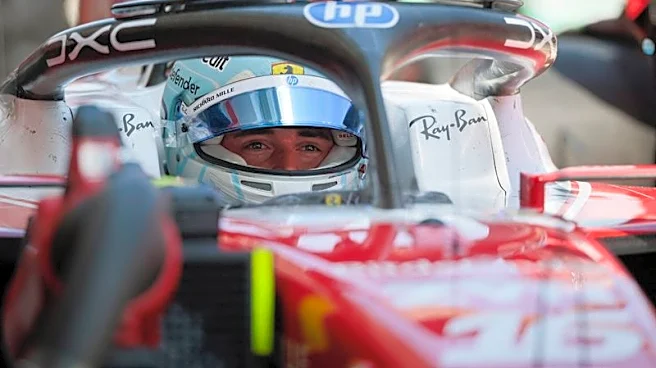
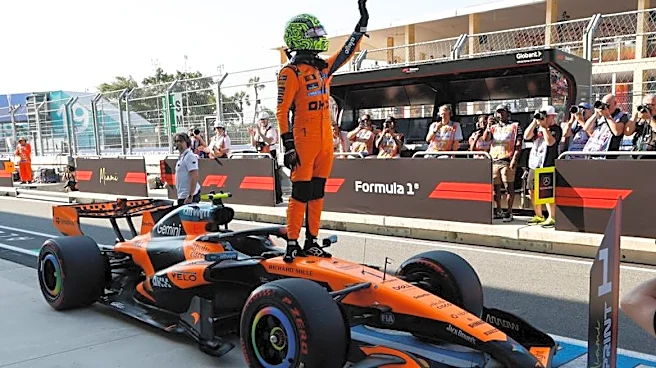
The Miami Grand Prix, part of the 2026 Formula 1 season, concluded with Kimi Antonelli of Mercedes taking the victory. The race was marked by several dramatic events, including a spin by Max Verstappen and a penalty for Charles Leclerc. Antonelli's win
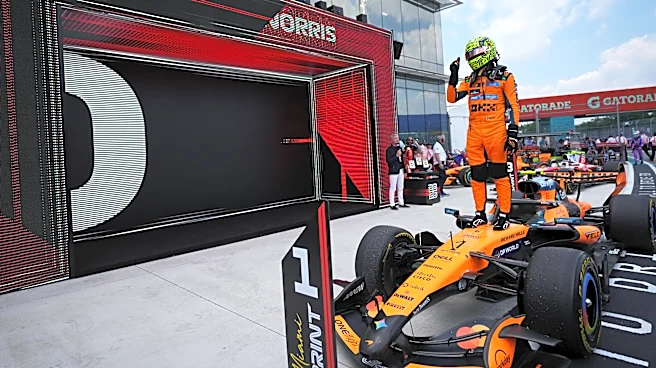
was hard-fought, as he had to overcome challenges from McLaren's Lando Norris, who led for 15 laps. Despite a strong start, Leclerc's race was marred by a spin and a subsequent 20-second penalty for corner-cutting, which dropped him to eighth place. McLaren's performance was notable, with Norris finishing second and his teammate securing third, making them the top scorers of the weekend. The race also saw Franco Colapinto achieve his best finish after Leclerc's penalty, and Williams secured a double-points finish, indicating a significant improvement in their performance.
Why It's Important?
The results of the Miami Grand Prix have significant implications for the Formula 1 championship standings and team dynamics. Kimi Antonelli's victory reinforces Mercedes' dominance in the current season, while McLaren's strong performance suggests they are emerging as a formidable competitor, potentially challenging Ferrari's position. The penalty for Leclerc highlights the ongoing challenges Ferrari faces in maintaining consistency and competitiveness. The race also underscores the importance of strategic execution and adaptability, as evidenced by McLaren's near-win and Williams' improved performance. These developments could influence team strategies and driver standings as the season progresses, impacting sponsorships, team morale, and the overall competitive landscape of Formula 1.
What's Next?
Looking ahead, teams will likely analyze the Miami Grand Prix outcomes to refine their strategies for upcoming races. McLaren is expected to continue its momentum with further upgrades planned for the Montreal Grand Prix. Ferrari will need to address the issues that led to Leclerc's penalty and improve their race execution to remain competitive. Williams' performance suggests they may continue to climb the standings if they can maintain their current trajectory. The next races will be crucial for teams to solidify their positions in the championship and for drivers to capitalize on any opportunities to gain points. The evolving dynamics could lead to shifts in team hierarchies and influence decisions on driver line-ups and technical developments.