



What's Happening?
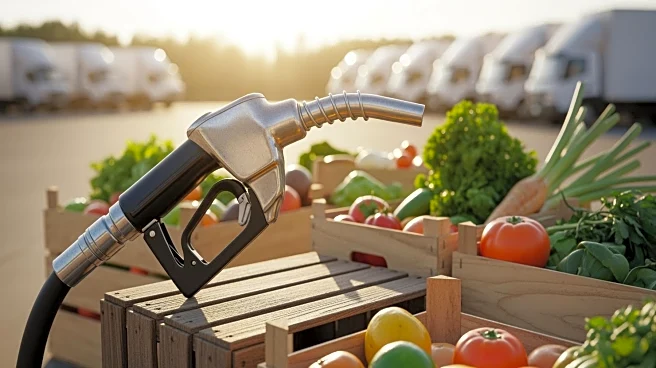
California food distributors are currently facing significant challenges due to the rising gas prices. This increase in fuel costs is affecting local cooperatives, including those involved in packaging and marketing beans. The surge in gas prices is adding
to the operational costs for these distributors, which could potentially lead to higher prices for consumers. The situation is part of a broader trend of increasing fuel costs impacting various sectors across the state, putting pressure on businesses that rely heavily on transportation and logistics.
Why It's Important?
The rising gas prices have a direct impact on the cost structure of food distributors, which could lead to increased prices for consumers. This situation highlights the vulnerability of supply chains to fluctuations in fuel costs, which can affect the affordability and availability of food products. For businesses, especially small and local cooperatives, the increased operational costs could strain their financial stability, potentially leading to reduced profit margins or even business closures. This development underscores the broader economic challenges posed by volatile energy prices, affecting not only the food distribution sector but also the overall cost of living for residents in California.
What's Next?
As gas prices continue to rise, food distributors may need to explore alternative strategies to mitigate the impact on their operations. This could include optimizing delivery routes, investing in more fuel-efficient vehicles, or passing some of the increased costs onto consumers. Policymakers might also face pressure to address the underlying causes of rising fuel prices or to provide relief measures for affected businesses. The situation could prompt discussions on energy policy and the need for sustainable solutions to stabilize fuel costs in the long term.