

What's Happening?
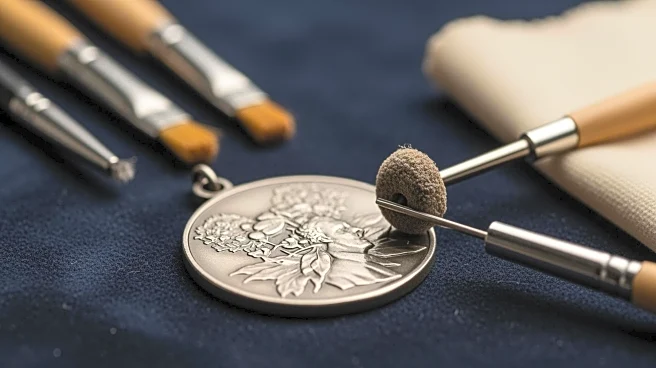
At the 2026 Winter Olympics in Milan, several athletes have reported issues with their medals, including detachment from ribbons and, in some cases, breaking in half. American skier Breezy Johnson experienced her gold medal breaking after a celebratory jump, while Swedish skier Ebba Andersson's silver medal broke when it fell in the snow. The organizing committee, aware of these issues, has initiated a review of all medals and is offering repairs. The medals, designed to symbolize teamwork, feature a safety clip that may be malfunctioning, leading to these defects. This situation echoes past incidents, such as the 2024 Paris Olympics, where medals tarnished post-event.
Why It's Important?
The defects in the Olympic medals highlight potential manufacturing flaws
that could impact the reputation of the games and the athletes' experiences. Medals are symbolic of athletes' hard work and achievements, and defects can diminish their value. The situation also underscores the importance of quality control in manufacturing processes for such prestigious events. Additionally, the rising value of the medals due to increased precious metal prices, influenced by economic factors like tariffs, adds a financial dimension to the issue. The organizing committee's response will be crucial in maintaining trust and ensuring the integrity of the awards.
What's Next?
The organizing committee is expected to continue its review and repair process for the defective medals. Athletes with faulty medals are encouraged to return them for fixes. The committee's actions will likely be scrutinized by the public and media, as they work to resolve the issue before it affects more athletes. The situation may prompt a reevaluation of medal design and manufacturing processes for future games to prevent similar occurrences. Stakeholders, including athletes and sponsors, will be watching closely to see how the committee addresses these challenges.
Beyond the Headlines
The incident raises questions about the balance between innovative design and practical functionality in Olympic medals. The symbolic design intended to represent teamwork may have inadvertently led to structural weaknesses. This situation also highlights the broader implications of economic policies, such as tariffs, on global events, as they can indirectly affect costs and production quality. The sentimental value of the medals, as emphasized by experts, remains a critical aspect, reminding us that the true worth of these awards lies in the athletes' achievements rather than the material itself.