



What's Happening?
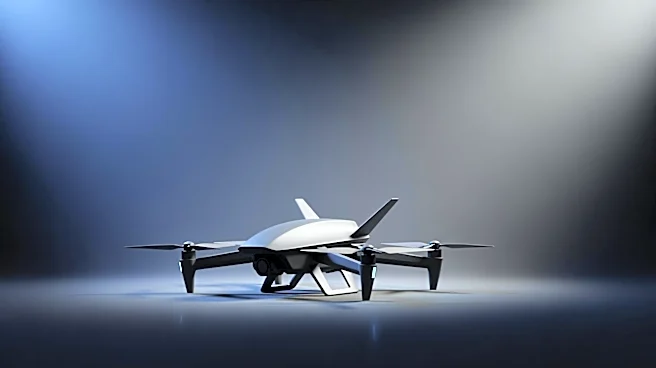
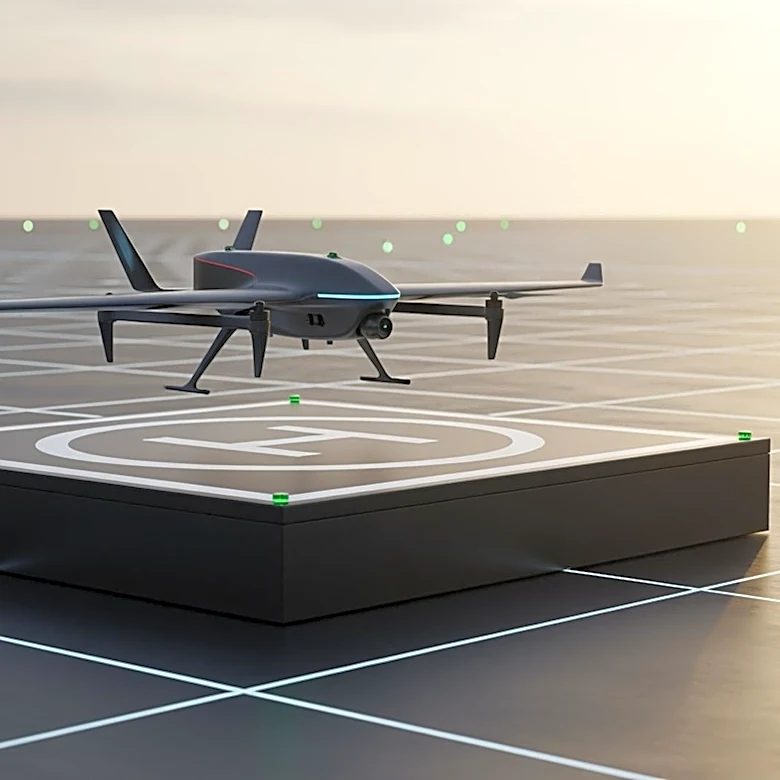
Red Cat Holdings has announced a strategic expansion of its Red Cat Futures Initiative by partnering with Arastelle Drone Solutions. This collaboration aims to integrate Arastelle's tactical tethering technology with Red Cat's Family of Systems, including
the Black Widow platform. The integration is designed to enhance Unmanned Aerial Systems (UAS) by providing persistent Intelligence, Surveillance, and Reconnaissance (ISR) and communications relay capabilities. The tethering technology allows drones to operate without the flight-time limitations typically imposed by battery-powered operations, as it supplies power via a tether. This enables the drones to function as a Variable Height Antenna (VHA), offering extended endurance. Arastelle's system is noted for its portability and rapid deployment capabilities, featuring a backpack-sized kit that can be managed by a single operator. Additionally, the system includes options for hot-swappable power sources to further extend mission duration.
Why It's Important?
The partnership between Red Cat Holdings and Arastelle Drone Solutions represents a significant advancement in drone technology, particularly for military and defense applications. By overcoming the limitations of battery-powered drones, this collaboration enhances the operational capabilities of UAS, making them more effective for long-duration missions. This development is crucial for defense sectors that rely on drones for ISR operations, as it provides a more reliable and efficient means of gathering intelligence and maintaining communications. The ability to deploy these systems rapidly and in various environments also increases their tactical value. As global defense markets continue to evolve, such innovations are likely to play a pivotal role in shaping modern warfare strategies, offering enhanced situational awareness and operational flexibility.
What's Next?
The integration of Arastelle's tethering technology with Red Cat's systems is expected to lead to further advancements in drone capabilities. As the partnership progresses, it is likely that additional features and improvements will be developed to enhance the operational efficiency and effectiveness of these systems. Stakeholders in the defense industry may closely monitor these developments, as they could influence future procurement decisions and strategic planning. Additionally, the success of this collaboration could encourage further partnerships and innovations within the drone technology sector, potentially leading to new applications and markets.