






What's Happening?
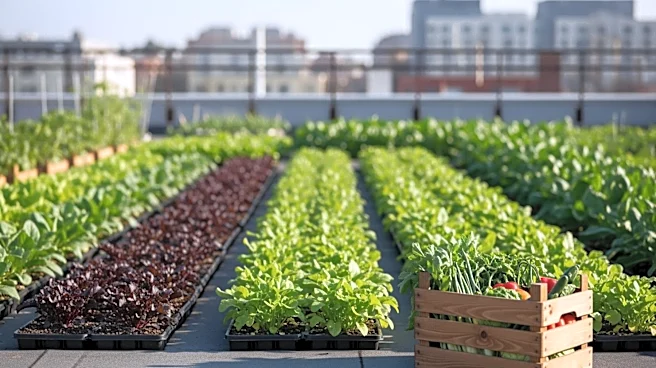
Urban micro flower farming is gaining traction across the United States as individuals like Marisa Mender-Franklin and Rachel Nafis transform unused urban spaces into vibrant flower farms. Mender-Franklin, a former elementary school teacher, started Midtown
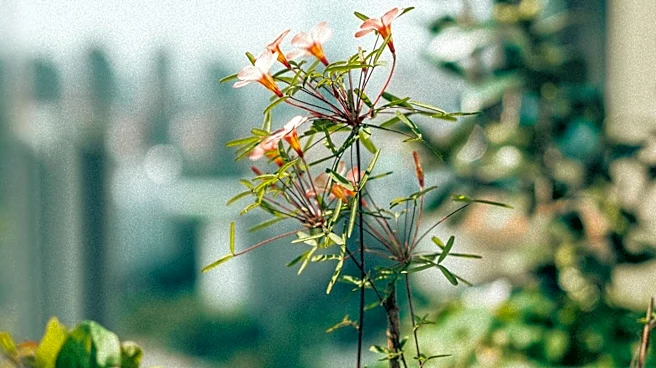
Bramble and Bloom in Memphis by utilizing vacant lots and neighbors' yards to grow flowers. Similarly, Nafis, a former ER nurse, established Psalter Farm Flowers in San Diego, cultivating flowers in multiple urban gardens. These initiatives not only provide fresh flowers for local markets but also enhance community engagement and environmental sustainability. The model involves exchanging lawn care and fresh flowers for land use, fostering a sense of community and revitalizing urban landscapes.
Why It's Important?
The rise of urban micro flower farming highlights a shift towards sustainable and community-focused agricultural practices. By utilizing underused urban spaces, these farms contribute to local economies, provide employment opportunities, and promote environmental sustainability. The model also addresses issues of land access, particularly for marginalized communities, by creating opportunities for urban farming without the need for large rural properties. Additionally, these farms enhance neighborhood aesthetics and biodiversity, attracting wildlife and fostering community pride. The success of such initiatives could inspire similar projects in other urban areas, promoting a more sustainable and inclusive approach to urban development.
What's Next?
As urban micro flower farming continues to grow, there may be increased interest from local governments and community organizations in supporting these initiatives. Potential developments could include policy changes to facilitate land access for urban farmers and increased funding for community-based agricultural projects. The model's success could also lead to collaborations with local businesses and educational institutions, further integrating urban farming into community life. Challenges such as logistical coordination and resource management will need to be addressed to ensure the sustainability and scalability of these projects. Continued community engagement and support will be crucial for the long-term success of urban micro flower farms.