





What's Happening?
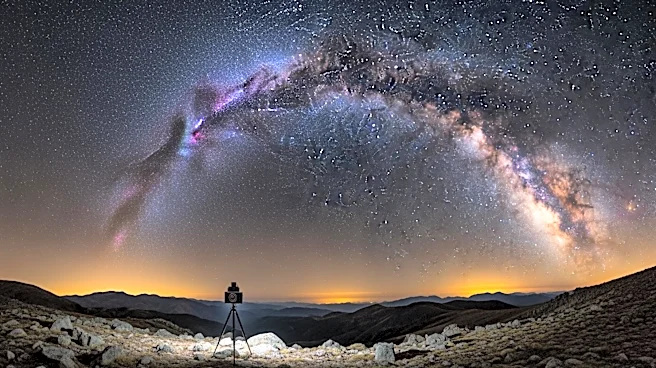
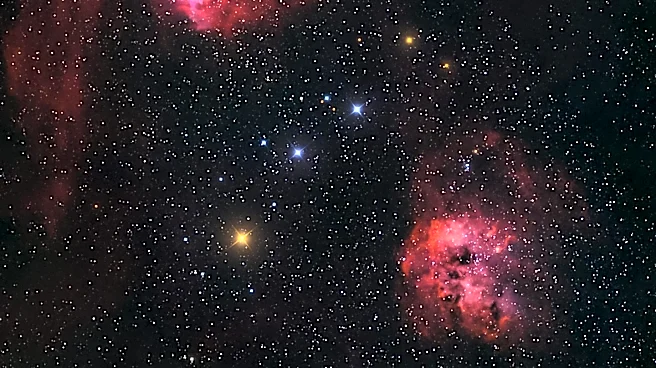
Astrophotographers are increasingly modifying their DSLRs to capture more vibrant images of the night sky. Standard DSLRs often lack sensitivity in the red spectrum due to UV/IR filters designed to mimic human vision. By replacing these filters, photographers can
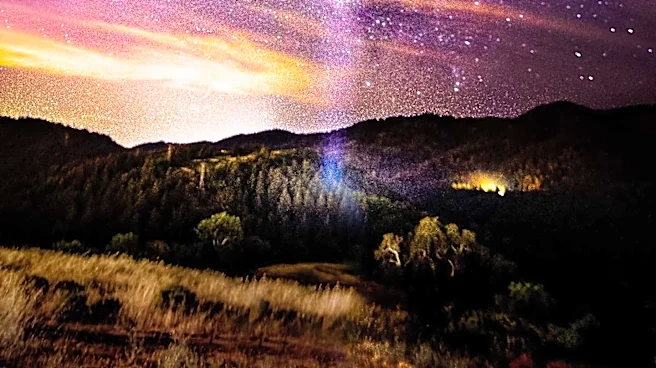
capture more of the Hydrogen-alpha red region, which is crucial for astrophotography. This modification allows for more accurate and colorful images of celestial objects like the Milky Way and nebulae. While the modification can result in an unfamiliar red cast, proper color-balancing techniques can correct this. The process involves either astromodification, which replaces the filter, or full spectrum conversion, which removes it entirely.
Why It's Important?
The ability to modify DSLRs for astrophotography represents a significant advancement for amateur and professional photographers alike. It allows for greater flexibility and creativity in capturing the night sky, providing images that are more representative of the universe's true colors. This modification can also enhance the capture of phenomena like aurorae and lightning sprites. The trend highlights the growing interest in astrophotography and the desire for more accessible tools to achieve professional-quality results. It also underscores the importance of technological innovation in expanding the capabilities of existing equipment.
Beyond the Headlines
The modification of DSLRs for astrophotography raises questions about the accessibility and affordability of advanced photographic techniques. While the modification can be done by professionals, it requires a financial investment that may not be feasible for all enthusiasts. Additionally, the trend reflects a broader cultural fascination with space and the desire to explore and document the cosmos. As more people engage in astrophotography, there may be increased demand for educational resources and community support to help newcomers navigate the technical aspects of the hobby.