








What's Happening?
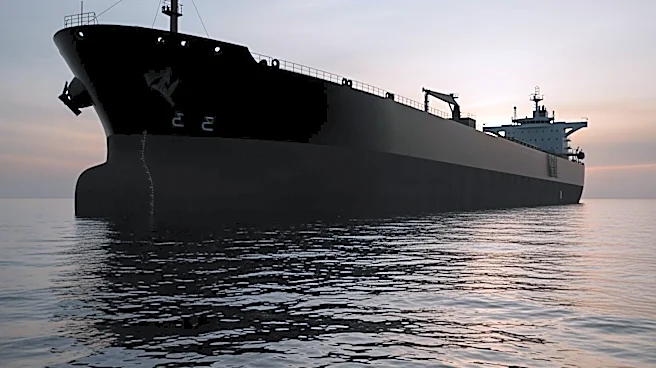
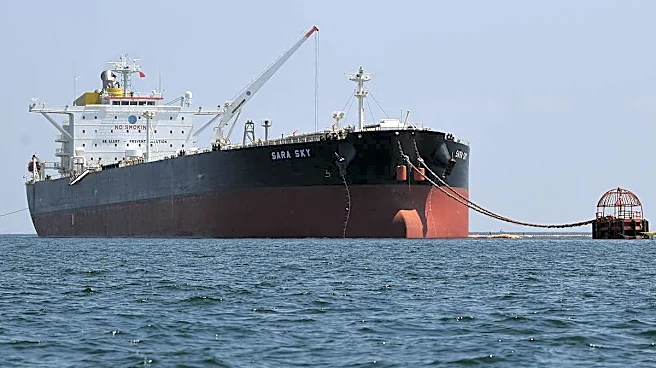
The global oil market is grappling with the immediate disruptions caused by the conflict in Iran, particularly affecting the Strait of Hormuz, a critical shipping route. The conflict has led to shipping delays, reduced exports, and increased insurance
costs, tightening global supply chains. However, industry experts warn that the real challenge may arise during the recovery phase, as demand could surge once the conflict subsides. This potential demand spike could strain already tight inventories and refining capacities, leading to further market volatility.
Why It's Important?
The potential for a demand surge post-conflict poses significant risks to the global oil market. As countries and companies move to rebuild depleted inventories, the increased demand could exacerbate existing supply constraints. This situation highlights the vulnerability of the global energy infrastructure, which has suffered from underinvestment, particularly in refining capacity. The potential for a secondary demand wave underscores the need for strategic planning and investment in energy infrastructure to ensure market stability and energy security.
What's Next?
As the conflict in Iran continues, the global oil market must prepare for the eventual recovery phase. Policymakers and industry leaders may need to consider emergency measures, such as export restrictions and strategic reserve management, to mitigate potential shortages. Additionally, investment in refining capacity and infrastructure will be crucial to meet the anticipated demand surge. The situation calls for a coordinated response from governments and industry stakeholders to address the structural challenges facing the energy market.
Beyond the Headlines
The current oil market situation highlights broader issues of energy security and the need for resilient supply chains. The potential for a demand surge post-conflict underscores the importance of strategic reserves and infrastructure investment. It also raises questions about the global reliance on key shipping routes like the Strait of Hormuz and the need for diversified energy sources. The situation serves as a reminder of the interconnectedness of global markets and the importance of proactive measures to ensure energy stability and security.