
What's Happening?
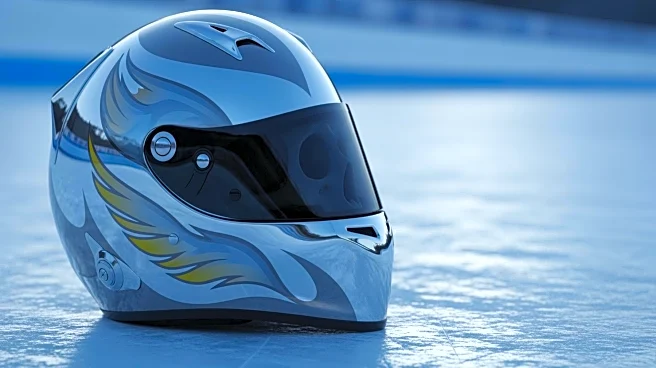
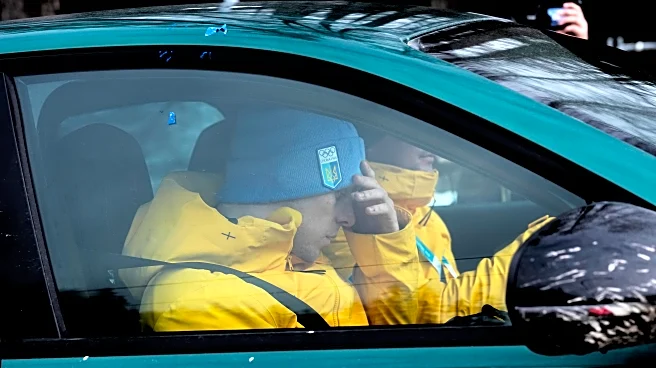
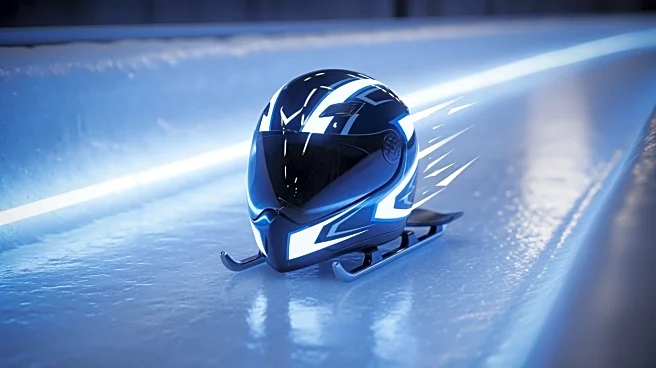
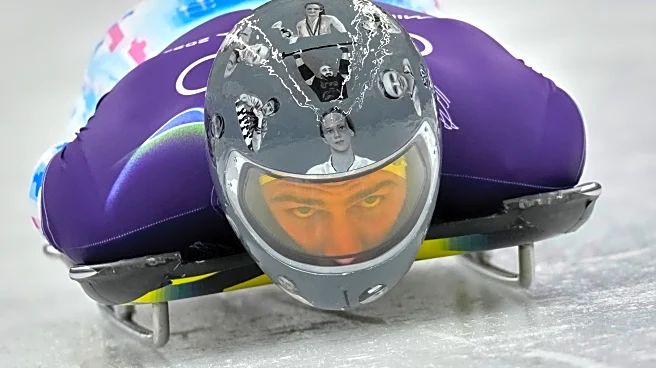
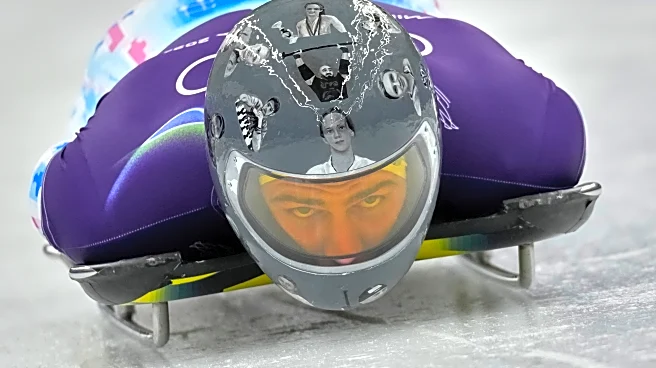
Ukrainian skeleton athlete Vladyslav Heraskevych has been disqualified from the Winter Olympics in Milan for wearing a helmet that honors Ukrainian athletes and coaches who died in Russia's war against
Ukraine. The International Olympic Committee (IOC) stated that the helmet violated its rules on athlete expression during competition. Despite multiple discussions with the IOC, Heraskevych refused to compromise on wearing the helmet, which led to his disqualification. The IOC expressed regret over the decision but emphasized the need to adhere to its guidelines. Heraskevych plans to appeal the decision to the Court of Arbitration for Sport.
Why It's Important?
The disqualification of Heraskevych highlights the ongoing tension between political expression and sports regulations. The IOC's decision underscores the challenges athletes face when attempting to use their platform to make political statements. This incident also reflects the broader geopolitical tensions stemming from Russia's invasion of Ukraine, affecting international sports events. The IOC's stance may be seen as an effort to maintain neutrality in sports, but it also raises questions about the balance between freedom of expression and adherence to established rules. The situation has drawn criticism from Ukrainian officials, who view the decision as a failure to confront Russia's actions.
What's Next?
Heraskevych's appeal to the Court of Arbitration for Sport will be closely watched, as it could set a precedent for future cases involving political expression in sports. The outcome may influence how the IOC and other sports organizations handle similar situations in the future. Additionally, the incident may prompt discussions within the IOC about revising its guidelines on athlete expression to better accommodate the complex realities of international conflicts. The Ukrainian Olympic Committee's response and potential protests could further impact the IOC's approach to political issues in sports.