






What's Happening?
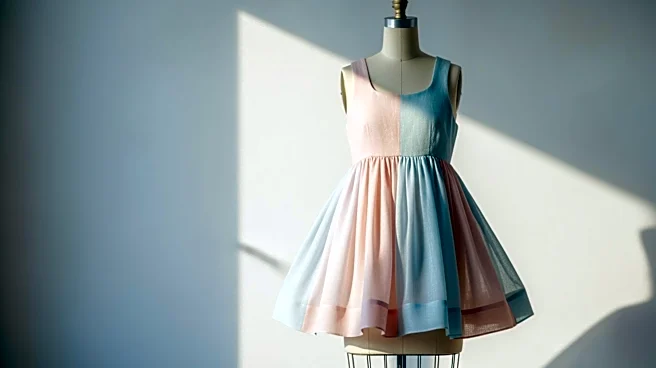
Olivia Rodrigo, a prominent pop star, has recently faced significant online backlash due to her choice of wearing babydoll dresses. This style, characterized by its loose, fluttering silhouette, has been a staple in Rodrigo's fashion repertoire as she
prepares to release her third album, 'You Seem Pretty Sad for a Girl So In Love.' The controversy erupted after Rodrigo wore a floral babydoll dress with matching bloomer shorts during a performance in Barcelona. Critics on social media platforms like X and Instagram have accused the style of infantilizing and sexualizing the 23-year-old artist. Despite the criticism, Rodrigo's fashion choices are deeply rooted in her admiration for the riot grrrl scene of the 1990s, drawing inspiration from icons like Kat Bjelland. This style juxtaposes hyper-feminine clothing with punk music's rebellious spirit, challenging traditional gender norms.
Why It's Important?
The controversy surrounding Olivia Rodrigo's fashion choices highlights the ongoing debate over women's autonomy in fashion and the societal expectations placed on female celebrities. The backlash reflects broader issues of misogyny and the unrealistic standards young women face, particularly in the age of social media. Rodrigo's experience underscores the challenges artists encounter when expressing individuality through fashion, as public perception can often overshadow artistic intent. The incident also raises questions about the role of social media in amplifying criticism and the potential influence of coordinated online attacks, as seen in previous cases involving other celebrities. This situation serves as a reminder of the complex dynamics between celebrity culture, fashion, and public opinion.
What's Next?
While there is no confirmed bot attack in this case, the nature of the outrage suggests a potential for further investigation into the role of social media in shaping public discourse. As Rodrigo continues to promote her new album, it will be important to observe how she navigates the criticism and whether she addresses the controversy directly. The response from her fanbase and the broader public could influence future discussions on fashion and gender norms. Additionally, the music industry and social media platforms may need to consider strategies to mitigate the impact of online harassment and support artists in expressing their creativity without fear of backlash.
Beyond the Headlines
The incident with Olivia Rodrigo's dress choice also touches on deeper cultural implications, such as the historical use of fashion as a form of rebellion and self-expression. The babydoll dress, once a symbol of subversion in the punk scene, is now at the center of a debate about modern femininity and empowerment. This reflects a broader cultural shift towards re-evaluating traditional gender roles and the ways in which fashion can both challenge and reinforce societal norms. The discussion around Rodrigo's fashion choices may contribute to a larger conversation about the evolving landscape of gender expression and the role of media in shaping public perceptions.