
What's Happening?
The NASCAR Cup Series returns to action at Bristol Motor Speedway for the Food City 500 after a brief hiatus. The race, scheduled for 500 laps covering 266.5 miles, follows a lackluster short-track event
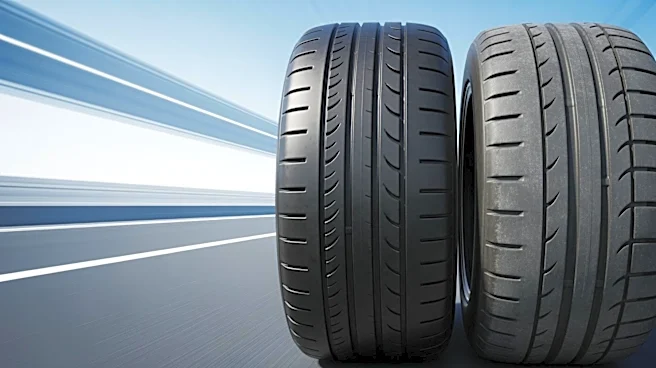
at Martinsville and a weekend off for Easter. Bristol, known as the Last Great Colosseum, is a favored venue for NASCAR events. The series introduces a new tire package aimed at improving wear and management, addressing issues from previous races where tire degradation was a concern. The event promises competitive racing with drivers focusing on tire strategy to navigate the demanding track conditions.
Why It's Important?
The return of the NASCAR Cup Series at Bristol is significant for fans and drivers alike, as it marks the resumption of competitive racing after a break. The introduction of a new tire package is crucial, as it aims to mitigate past issues with tire degradation, which affected race outcomes and driver performance. This change could lead to more consistent racing conditions, enhancing the overall experience for participants and spectators. Bristol's reputation as a challenging track adds to the excitement, with drivers needing to adapt to the new tire dynamics to succeed. The event also highlights NASCAR's ongoing efforts to improve race quality and safety.
What's Next?
Following the Food City 500, NASCAR will evaluate the effectiveness of the new tire package, considering feedback from drivers and teams. The results may influence future tire strategies and adjustments for upcoming races. The series will continue to focus on optimizing race conditions, ensuring competitive balance and safety. Additionally, the performance of drivers at Bristol could impact their standings and momentum in the series, shaping the narrative for the remainder of the season. NASCAR will monitor the impact of the tire changes, making necessary modifications to enhance race quality and maintain fan engagement.