





What's Happening?
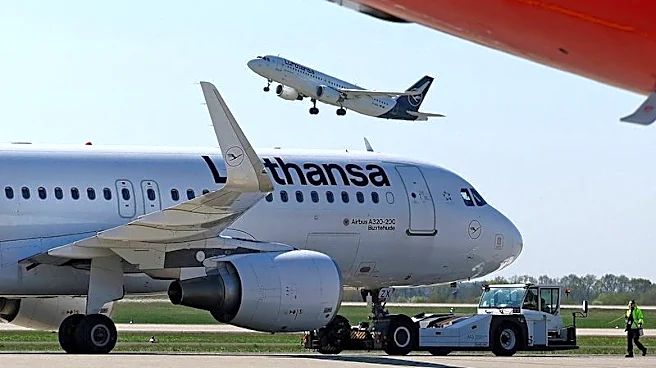
Air travel costs are expected to rise significantly this summer due to a global jet fuel shortage exacerbated by the Iran war. The Strait of Hormuz blockage has paralyzed an estimated 20% of global seaborne jet fuel, creating a dual crisis for aviation
by choking crude oil needed by refineries and halting the delivery of finished fuel to international airports. The US Travel Association reported a 14.9% increase in airline fares in March compared to the previous year. Airlines are cutting thousands of flights, and major carriers like Delta and American Airlines are facing billions in additional expenses due to surging fuel prices.
Why It's Important?
The jet fuel shortage is a critical issue for the aviation industry, which relies heavily on fuel availability and pricing. Higher fuel costs are a significant operating expense for airlines, often leading to increased ticket prices for consumers. This situation could impact travel demand and profitability for airlines, particularly those with limited hedging strategies. The shortage also highlights the vulnerability of global supply chains to geopolitical conflicts and the need for diversified energy sources and supply routes.
What's Next?
Airlines may continue to adjust their schedules and increase fares to manage the financial impact of the fuel shortage. There could be a push for more sustainable aviation fuels and alternative energy sources to reduce dependency on traditional jet fuel. Additionally, the industry might see increased collaboration with governments to address supply chain vulnerabilities and explore strategic reserves or alternative supply routes. The situation may also prompt discussions on energy security and the resilience of critical infrastructure.