






What's Happening?
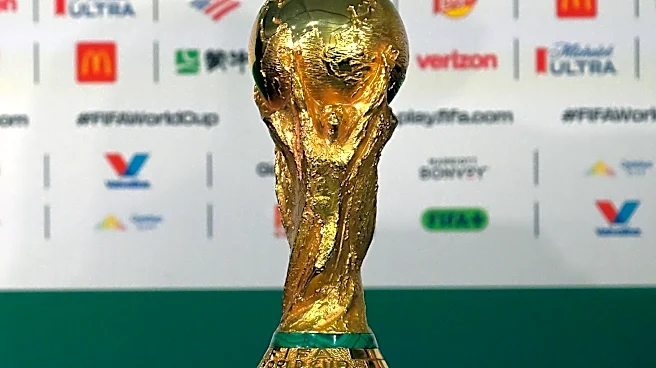
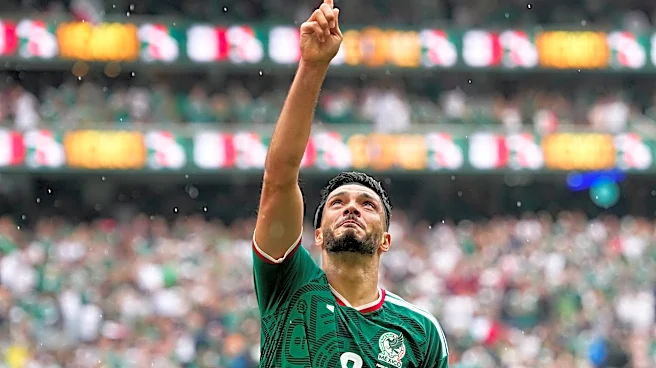
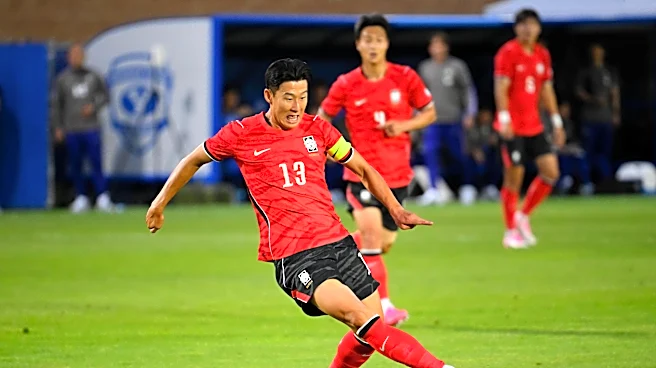
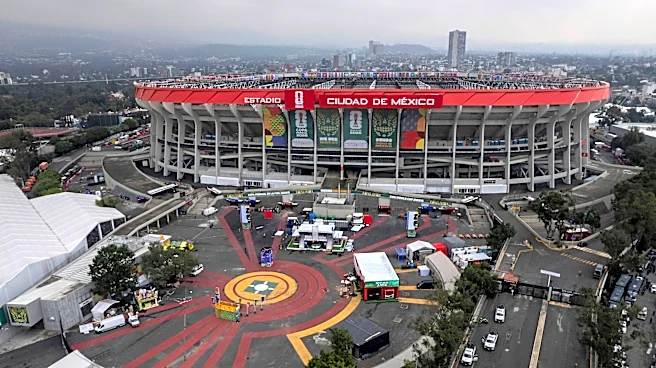
The 2026 World Cup has officially begun, featuring an opening ceremony in Mexico City and the first matches of the tournament. The initial games saw Mexico face South Africa and South Korea take on Czechia. The tournament continues with the debuts of co-hosts
Canada and the United States, who will play against Bosnia and Herzegovina and Paraguay, respectively. The opening ceremony included performances by various artists, setting the stage for the month-long global event. Fans worldwide are tuning in to support their teams, with match threads and discussions taking place across various platforms.
Why It's Important?
The World Cup is one of the most significant sporting events globally, drawing attention from millions of fans and impacting various sectors, including tourism, broadcasting, and sports merchandising. For the host countries, the tournament presents an opportunity to showcase their culture and infrastructure on an international stage, potentially boosting tourism and economic activity. The participation of the United States and Canada as co-hosts highlights the growing popularity of soccer in North America, which could lead to increased investment in the sport at both grassroots and professional levels.
What's Next?
As the World Cup progresses, attention will shift to the performance of the teams, particularly the host nations. The United States and Canada will aim to capitalize on their home advantage to advance in the tournament. The event will also provide a platform for emerging soccer talents to gain international recognition. Off the field, organizers will focus on ensuring the smooth running of the tournament, addressing any logistical challenges that arise. The success of the World Cup could influence future bids for hosting rights, as countries assess the benefits and challenges of organizing such a large-scale event.