







What's Happening?
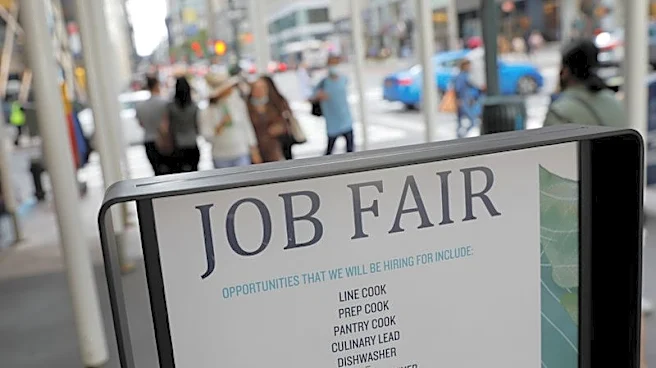
The U.S. labor market demonstrated resilience in May 2026, with employers adding 172,000 jobs, marking a significant improvement over previous months. The unemployment rate remained steady at 4.3%. The Bureau of Labor Statistics reported that the hospitality,
government, and healthcare sectors led the job growth, with hospitality alone contributing 70,000 new positions. However, the financial sector experienced a notable contraction, losing 22,000 jobs, continuing a downward trend since May 2025. This decline was primarily concentrated in insurance carriers and commercial banking institutions. Despite the overall positive job growth, sectors such as construction, manufacturing, and retail trade showed little movement, indicating cautious hiring practices.
Why It's Important?
The job market's performance is crucial for the U.S. economy, especially amid rising inflation and geopolitical tensions, such as the ongoing conflict with Iran. The robust job growth in service industries like hospitality and healthcare suggests strong consumer demand and demographic shifts. However, the financial sector's decline highlights vulnerabilities, potentially affecting economic stability. The mixed job market signals could influence Federal Reserve policies, as strong employment figures might deter interest rate cuts, impacting economic growth and inflation control. Stakeholders in industries experiencing job losses may face challenges, while those in growing sectors could benefit from increased opportunities.
What's Next?
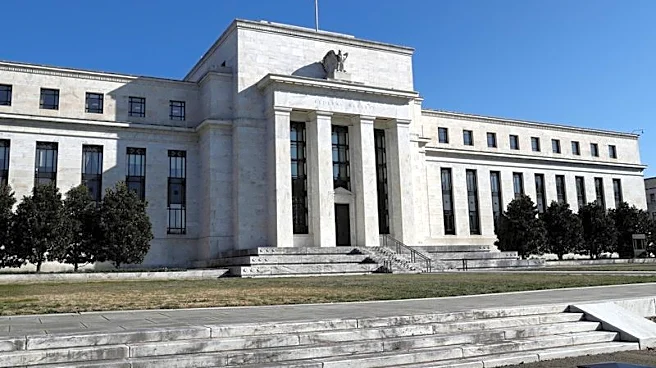
The Federal Reserve's response to the job market data will be closely watched, as it balances inflation concerns with economic growth. The potential for interest rate adjustments could affect various sectors, particularly those sensitive to borrowing costs. Businesses in declining industries may need to adapt strategies to mitigate job losses, while those in expanding sectors might capitalize on growth opportunities. Policymakers and economic analysts will likely monitor upcoming economic indicators, such as inflation rates, to assess the broader economic trajectory and make informed decisions.