





What's Happening?
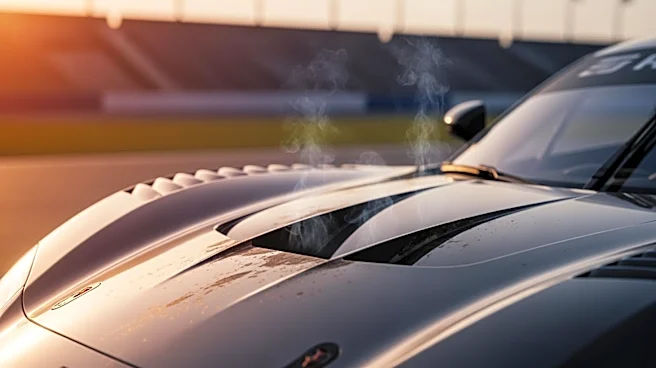
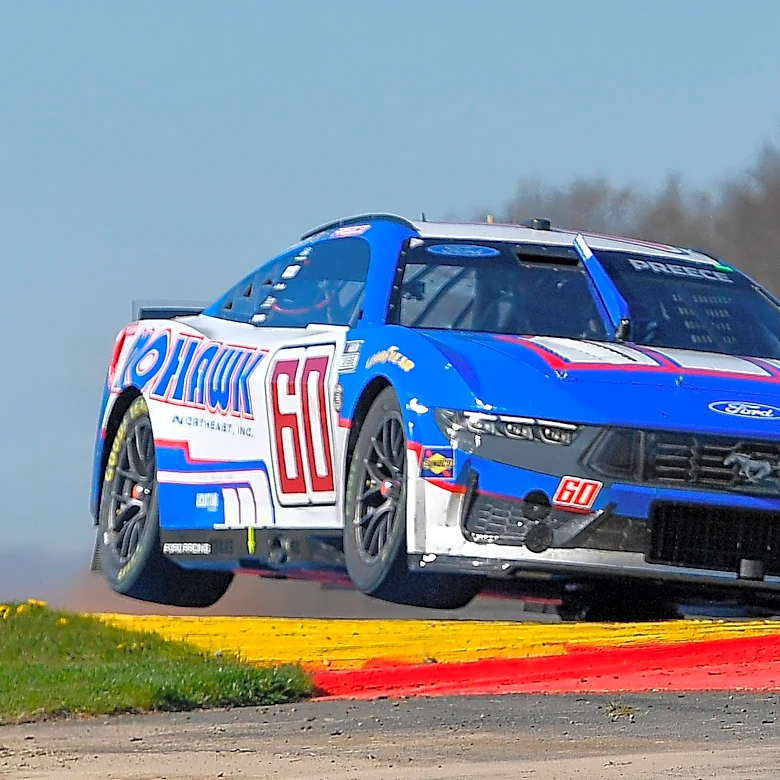
During the NASCAR All-Star Race, Ryan Preece's vehicle burst into flames following a multi-car crash on the second lap. The incident involved several drivers, including Kyle Larson, Ryan Blaney, Cole Custer, and Todd Gilliland. Preece's car caught fire
after making contact with Gilliland's vehicle, leading to a pileup that affected nine cars. Despite the dramatic scene, Preece emerged unscathed and was released from the infield care center. The crash ended the race for non-chartered drivers like Preece, Custer, and Gilliland, as NASCAR rules prohibit backup cars for the All-Star Race. However, the unique format of the event allowed teams of locked-in drivers to repair their vehicles and continue racing.
Why It's Important?
The crash highlights the inherent risks in motorsports and the importance of safety measures. For NASCAR, ensuring driver safety is paramount, and incidents like this underscore the need for continuous improvements in vehicle safety standards. The event also impacts the competitive dynamics of the race, as several top drivers were involved in the crash. For fans and stakeholders, the incident serves as a reminder of the unpredictable nature of racing and the potential for dramatic developments at any moment. The ability of teams to repair and return to the race also demonstrates the resilience and resourcefulness required in the sport.
What's Next?
Following the crash, teams will focus on repairing damaged vehicles and preparing for upcoming races. For drivers like Preece, the focus will shift to the next event in Charlotte, where they will aim to recover from the setback. NASCAR officials may review the incident to assess any potential safety improvements. Fans and teams alike will be watching closely to see how the affected drivers perform in future races and whether any changes are implemented to enhance safety protocols.