





What's Happening?
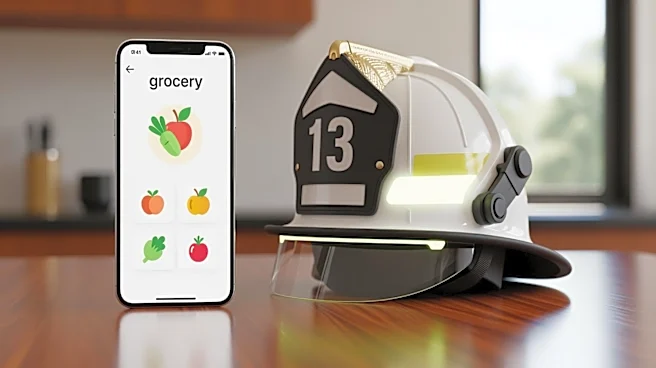
Joe Poynton, a firefighter with no prior coding experience, has developed a grocery shopping app using a method known as 'vibe coding.' This approach allows individuals without programming skills to create applications by interacting with AI bots like
Claude or Lovable. Poynton's app aims to optimize grocery shopping by learning the layout of stores and organizing shopping lists accordingly. The app, which is now available on the Apple App Store, was developed over a period of two to three months with the help of AI tools such as Gemini and Claude. Poynton's initiative is part of a growing trend where non-tech individuals use AI to solve everyday problems.
Why It's Important?
The development of Poynton's app highlights the increasing accessibility of technology and app development to the general public, thanks to AI advancements. This democratization of technology allows individuals to address personal inefficiencies and create solutions without needing extensive technical knowledge. The trend of 'vibe coding' could lead to a surge in personalized applications, potentially impacting traditional software companies by shifting some development power to consumers. This could also foster innovation and creativity among non-tech individuals, encouraging more people to engage with technology in new ways.
What's Next?
As more individuals like Poynton explore 'vibe coding,' there could be a rise in niche applications tailored to specific user needs. This trend may prompt traditional software companies to adapt by offering more user-friendly development tools or integrating AI into their platforms. Additionally, the success of such apps could inspire others to explore AI-driven development, potentially leading to a broader cultural shift in how technology is perceived and utilized by the general public.
Beyond the Headlines
The rise of 'vibe coding' raises questions about the future of software development and the role of traditional programmers. As AI tools become more sophisticated, the line between professional and amateur developers may blur, leading to new ethical and economic considerations. This shift could also impact education, as the demand for traditional coding skills might decrease, prompting a reevaluation of tech-related curricula.