







What's Happening?
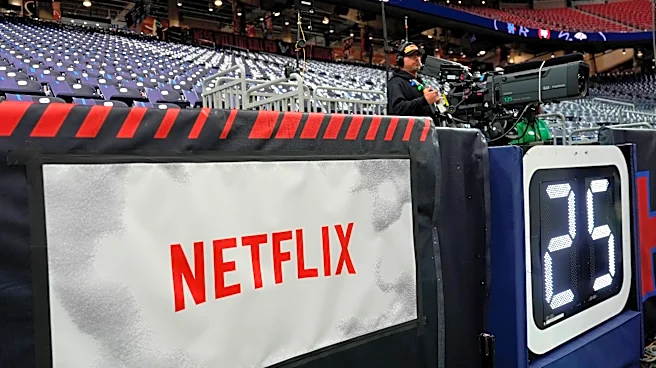
The NFL has expanded its partnership with Netflix, allowing the streaming platform to broadcast five NFL games in the 2026 season. This includes the first-ever Thanksgiving Eve game featuring the Green Bay Packers against the Los Angeles Rams. The partnership,
which extends through the 2029-30 season, aligns Netflix's contract with other major broadcasters like Fox, CBS, NBC, and Prime Video. The decision to stream games, including an international match in Australia, has sparked criticism from fans who argue that the NFL is prioritizing international exposure and streaming over traditional American broadcasts. Fans have expressed concerns about the accessibility and affordability of watching games across multiple platforms.
Why It's Important?
The NFL's decision to partner with Netflix for streaming games marks a significant shift in how sports content is delivered to audiences. This move could influence the future of sports broadcasting, potentially leading to more games being available exclusively on streaming platforms. While this strategy may attract a global audience and increase revenue, it also risks alienating traditional viewers who prefer watching games on network television. The backlash highlights the tension between expanding digital access and maintaining traditional viewing experiences. The outcome of this strategy could set a precedent for other sports leagues considering similar partnerships.
What's Next?
As the NFL continues to explore streaming partnerships, it will be crucial to monitor fan reactions and subscription trends. The league may need to address concerns about accessibility and cost to maintain its domestic fan base. Additionally, the success of these streamed games could influence future negotiations with broadcasters and streaming services. Stakeholders, including teams and advertisers, will likely evaluate the impact of this strategy on viewership and revenue. The NFL's approach to balancing traditional and digital broadcasting will be closely watched by other sports organizations.