
What's Happening?
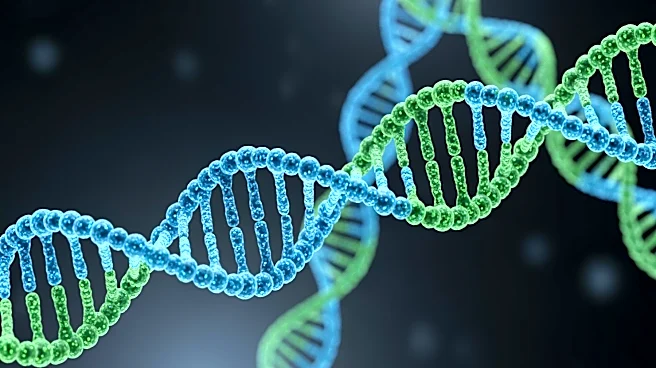
A recent study published in the journal Nature has revealed that natural selection has played a significant role in increasing the prevalence of red hair among humans. The research analyzed DNA from 10,000 ancient human remains and additional modern sequences,
identifying 479 genetic variations influenced by natural selection since the Ice Age. These findings challenge previous assumptions that directional selection was rare in humans. The study highlights how changing environments and lifestyles have accelerated the evolution of certain traits, including red hair, fair skin, and disease resistance.
Why It's Important?
The study provides new insights into human evolution and the genetic factors that have shaped our species over millennia. Understanding the role of natural selection in human genetics can help researchers identify genetic variations linked to health and disease, potentially leading to new treatments and preventive measures. The findings also contribute to a broader understanding of how humans have adapted to diverse environments, offering a clearer picture of our evolutionary history. This research underscores the importance of studying ancient DNA to uncover the complex interplay between genetics and environmental factors.
What's Next?
The research team plans to extend their study to other regions, such as East Asia and East Africa, to identify additional genetic variations that could inform disease prevention strategies. As scientists continue to explore the genetic basis of human traits, there may be opportunities to develop targeted therapies and interventions for various health conditions. The study's findings could also inspire further research into the genetic adaptations that have enabled humans to thrive in different environments, enhancing our understanding of human diversity and resilience.