
What's Happening?
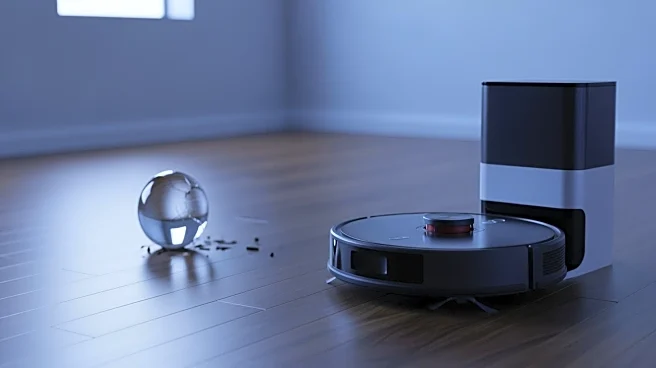
iRobot, the company known for its Roomba robot vacuums, has initiated Chapter 11 bankruptcy proceedings, expected to conclude by February 2026. Founded in 1990, iRobot has been a significant player in the robotics
industry, selling over 50 million robots worldwide. Despite its historical success, the company has faced increasing competition and financial challenges, leading to its current restructuring efforts. The bankruptcy process will allow iRobot to continue operating its Roomba products while it reorganizes its debts and business structure. The company has entered a restructuring support agreement with its creditor, Santrum Hong Kong Co., and Picea Robotics, which plan to acquire iRobot through the court-supervised process.
Why It's Important?
iRobot's bankruptcy filing highlights the challenges faced by established companies in rapidly evolving industries. As competition from lower-cost manufacturers intensifies, even market leaders like iRobot must adapt to survive. The restructuring process aims to stabilize the company, ensuring continued product support and operations. This development is significant for stakeholders, including employees, customers, and partners, as it impacts the future of consumer robotics and the competitive landscape. The outcome of iRobot's restructuring could influence market dynamics and innovation in the robotics sector.
What's Next?
As iRobot navigates the bankruptcy process, the focus will be on maintaining product functionality and customer relationships. The restructuring is expected to be completed by early 2026, with Santrum and Picea Robotics playing a crucial role in the company's future. Industry observers will be watching closely to see how iRobot adapts its business model and product offerings to regain financial stability and market share. The company's ability to innovate and compete in the consumer robotics market will be critical to its long-term success.