





What's Happening?
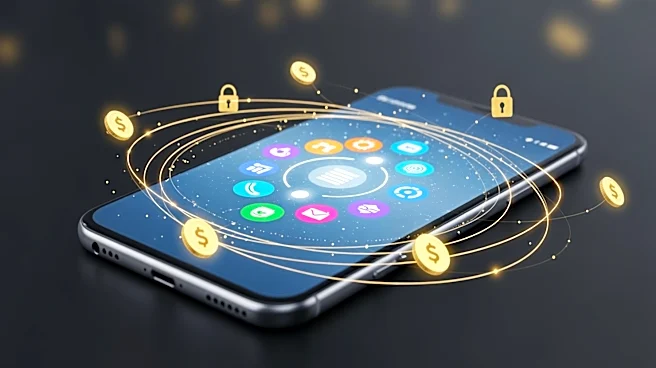
TikTok is transitioning from a social media platform to a comprehensive digital ecosystem by integrating various services such as TikTok Shop, local search maps, games, and hotel booking services. The company is also pursuing a fintech license to offer
payment and lending services, aiming to become a 'super app' similar to WeChat in China. The newly launched TikTok GO service in the U.S. allows users to book hotels and tourist spots directly within the app, centralizing the process and positioning TikTok as a competitor to services like Google Search and Google Maps. Additionally, TikTok has applied to the Central Bank of Brazil to operate as a technology company engaged in payment services and lending, which would enable users to store money, make transfers, and obtain loans.
Why It's Important?
TikTok's transformation into a super app could significantly impact various industries by consolidating multiple digital services into one platform. This move could increase user engagement and create new revenue streams for TikTok, challenging existing players in e-commerce, tourism, and financial services. The integration of financial services could particularly disrupt traditional banking and payment systems, offering users more convenience and potentially lower costs. However, this expansion raises concerns about data privacy and security, especially regarding TikTok's handling of American users' data. The company's growing influence in multiple sectors may also attract regulatory scrutiny and competition from established tech giants.
What's Next?
As TikTok continues to expand its services, it may face increased regulatory challenges, particularly concerning data privacy and financial regulations. The company's application for a fintech license in Brazil indicates a strategic move to enter the financial market, which could lead to similar initiatives in other countries. Stakeholders, including competitors and regulators, will likely monitor TikTok's developments closely. The success of TikTok's super app strategy could prompt other social media platforms to explore similar integrations, potentially reshaping the digital landscape.