






What's Happening?
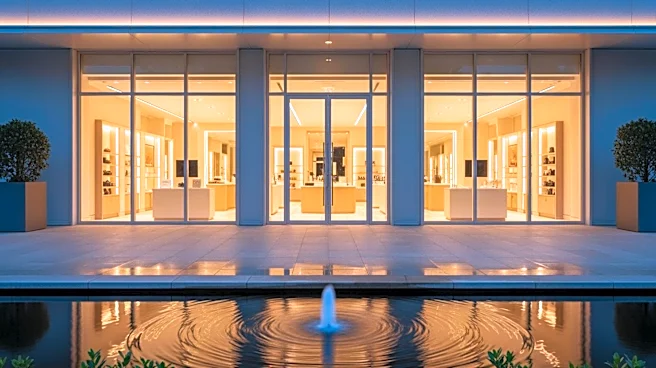
Med spas have increasingly taken over retail spaces across the United States, transforming the landscape of American shopping centers. According to a 17-year analysis, these wellness facilities have steadily expanded their presence, particularly in major
markets like Los Angeles, New York City, South Florida, and Chicago. The trend, which began well before the pandemic, has accelerated as Americans emerged from lockdowns with a heightened focus on health and appearance. This shift has led to med spas occupying millions of square feet in retail spaces, often replacing traditional goods-based retailers. The wellness sector, including med spas, has become a significant part of the retail market, with service-oriented tenants surpassing goods-based retailers in leasing activity for the first time in 2025.
Why It's Important?
The rise of med spas reflects a broader cultural shift towards wellness and personal care as status symbols, replacing traditional luxury items. This trend has significant implications for the retail and real estate industries, as service-oriented businesses continue to dominate leasing activity. The wellness sector's growth, driven by consumer demand for health and beauty services, has also contributed to the economic recovery post-pandemic. However, the expansion faces challenges due to tightening real estate markets and rising rents, particularly in affluent areas where these businesses thrive. The continued growth of med spas could reshape retail strategies and influence urban development patterns.
What's Next?
As the demand for wellness services continues, med spas are likely to expand further into suburban and affluent urban areas. However, the availability of suitable retail spaces is becoming limited, which may slow future growth. Franchise investments have fueled much of the expansion, but this dynamic may also face constraints as space becomes more competitive. The industry will need to adapt to these challenges by exploring new markets and possibly innovating service offerings to maintain growth. Additionally, the impact of social media and cultural trends on personal appearance will continue to drive consumer interest in wellness services.