






What's Happening?
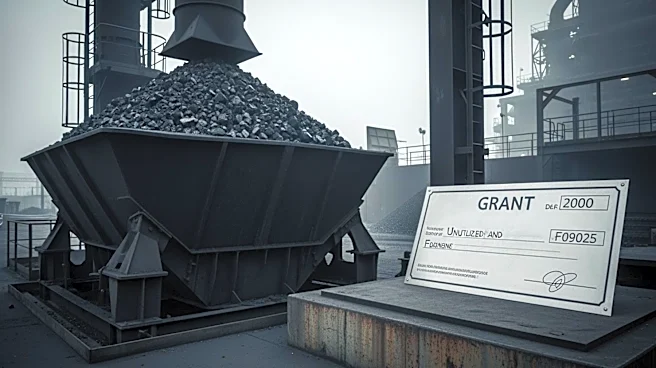
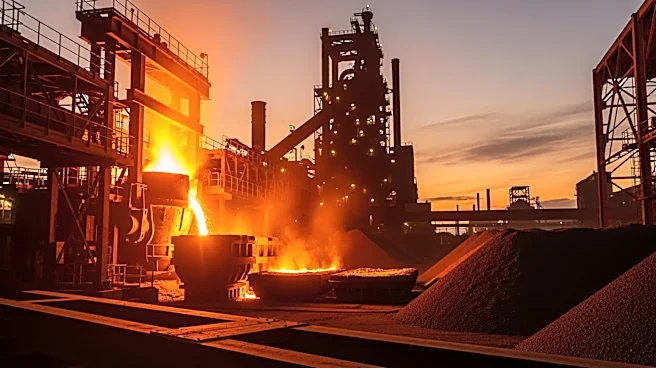
U.S. Steel has announced a nearly $2 billion investment to construct a direct reduced iron (DRI) facility at Big River Steel Works in Osceola, Arkansas. This facility aims to provide cleaner inputs for the company's electric arc furnaces, aligning with
global decarbonization efforts. Nippon Steel, U.S. Steel's parent company, emphasizes the importance of maintaining American steel production as the industry shifts towards greener practices. The Sierra Club has responded positively to the investment but urges further action to modernize and decarbonize U.S. Steel's Midwest facilities, highlighting the need for sustainable practices across all operations.
Why It's Important?
This investment marks a significant step towards reducing the carbon footprint of the steel industry, a major contributor to global emissions. By adopting cleaner technologies, U.S. Steel is positioning itself as a leader in sustainable steel production. However, the Sierra Club's call for broader modernization efforts underscores the ongoing challenge of balancing economic competitiveness with environmental responsibility. The success of this initiative could influence other companies to adopt similar practices, potentially transforming the steel industry and contributing to national and global climate goals.
What's Next?
The focus will likely shift to whether Nippon Steel will extend its investment strategy to U.S. Steel's Midwest facilities. The Sierra Club and other stakeholders will monitor the company's actions to ensure commitments to decarbonization are met. The outcome could impact the future of American steel production, union jobs, and community health. Continued advocacy and pressure from environmental groups may drive further investments in green technologies, shaping the industry's trajectory in the coming years.