




What's Happening?
The Nordic Association of Marine Insurers (Cefor) has reported a significant rise in marine insurance claims, primarily driven by machinery damage and fires. According to Cefor, 2025 marked the third consecutive year with claims exceeding $10 million.
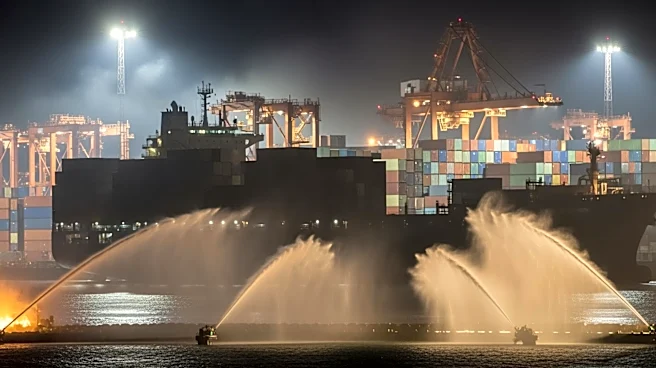
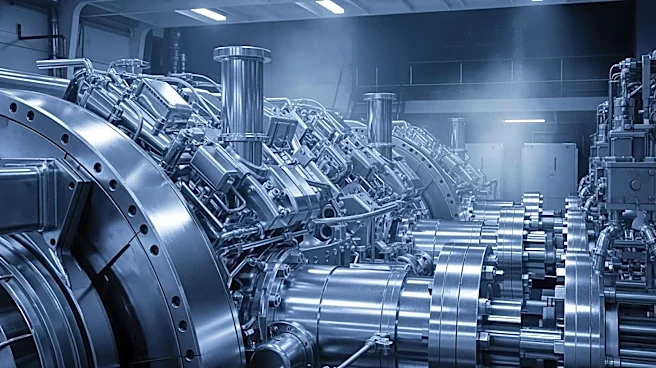
Notably, total losses on high-value vessels have increased, a departure from historical trends where losses were more common on lower-value vessels. In 2025, there were 13 claims over $10 million, with fires accounting for seven of these. The frequency of machinery claims has also risen by 30% from 2022 to 2025 compared to previous years. Cefor attributes this increase to an aging fleet and potential human error, possibly linked to crew shortages.
Why It's Important?
The rise in claims has significant implications for the marine insurance industry, particularly in the Nordic region where Cefor members underwrite a substantial portion of the global fleet. The increase in high-value claims could lead to higher insurance premiums and stricter underwriting standards. Additionally, the trend highlights the need for improved safety measures and maintenance practices, especially as the fleet ages. The impact of inflation, with rising costs for steel, spare parts, and labor, further exacerbates the financial strain on the industry, potentially affecting shipping companies' operational costs and profitability.
What's Next?
Cefor has called for enhanced loss prevention strategies, focusing on manning and regulatory actions to improve fire safety. The organization also emphasizes the need for better reserving practices to manage the financial pressures of inflation. As the industry adapts to these challenges, stakeholders may need to invest in newer technologies and training to mitigate risks associated with machinery damage and fires. The ongoing economic pressures could also prompt a reevaluation of fleet management strategies to ensure sustainability and safety.
Beyond the Headlines
The report underscores a broader issue of aging maritime infrastructure and the associated risks. As vessels age, the likelihood of mechanical failures and safety incidents increases, necessitating a proactive approach to fleet renewal and maintenance. The emphasis on human error also points to potential gaps in training and workforce management, which could be addressed through enhanced training programs and recruitment strategies. The industry's response to these challenges could set a precedent for global maritime safety standards and insurance practices.