




What's Happening?
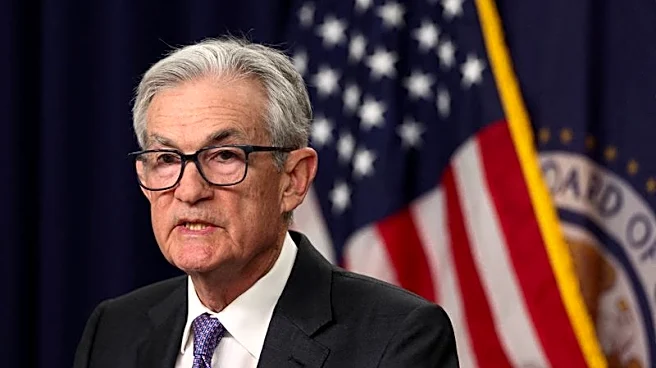
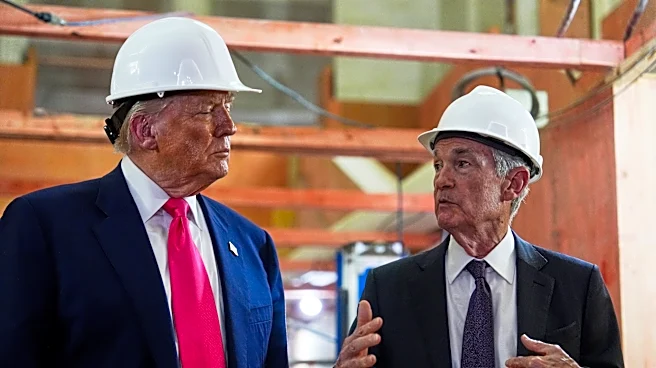
Jerome Powell's tenure as the Federal Reserve Chair is drawing to a close, marked by significant economic challenges and policy shifts. Appointed by President Trump, Powell's leadership saw the Federal Reserve navigate through the COVID-19 pandemic with
aggressive monetary policies, including near-zero interest rates and extensive bond purchases. Despite initial missteps, such as underestimating inflation as 'transitory,' Powell later implemented substantial rate hikes to combat a 40-year high in inflation. His era is noted for maintaining a low average unemployment rate of 4.6%, although inflation averaged above the Fed's target at 3.09%. Powell's tenure was also characterized by tensions with President Trump, who criticized his rate hikes and considered firing him. As Powell steps down, his legacy is debated, with some attributing high inflation to his expansive policies during the pandemic.
Why It's Important?
Powell's leadership at the Federal Reserve has had a profound impact on the U.S. economy, particularly in how monetary policy is perceived and implemented. His approach during the pandemic, which involved unprecedented measures to stabilize the economy, has been both praised for averting a potential depression and criticized for contributing to subsequent inflation. The decisions made under his leadership have influenced economic stakeholders, including businesses and consumers, by affecting borrowing costs and economic growth. As Powell exits, the Federal Reserve faces ongoing challenges of balancing inflation control with economic growth, a task that will fall to his successor. The transition in leadership could lead to shifts in monetary policy, impacting financial markets and economic stability.
What's Next?
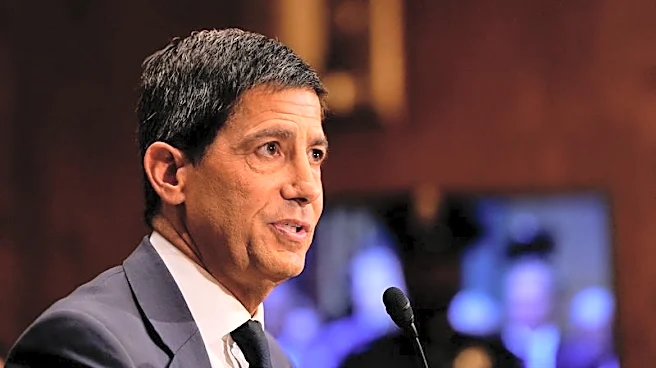
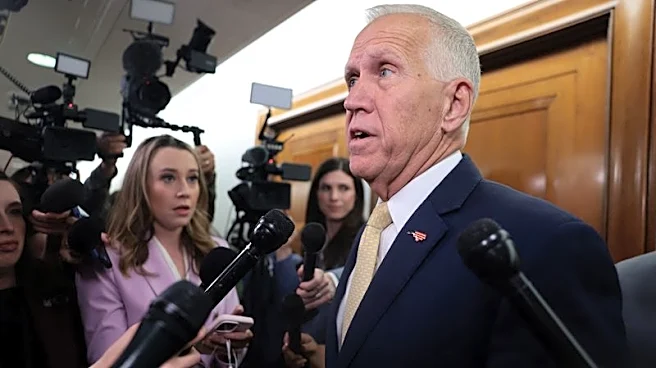
With Powell's departure, Kevin Warsh is expected to take over as the new Federal Reserve Chair. Warsh's leadership will likely focus on addressing the persistent inflation and determining the future path of interest rates. The Federal Reserve's upcoming meetings will be crucial in setting the tone for monetary policy under new leadership. Economic stakeholders will be closely watching for any changes in policy direction, particularly regarding interest rates and inflation management. The Senate Banking Committee is set to vote on Warsh's confirmation, which, if successful, will mark a new chapter for the Federal Reserve.