
What's Happening?
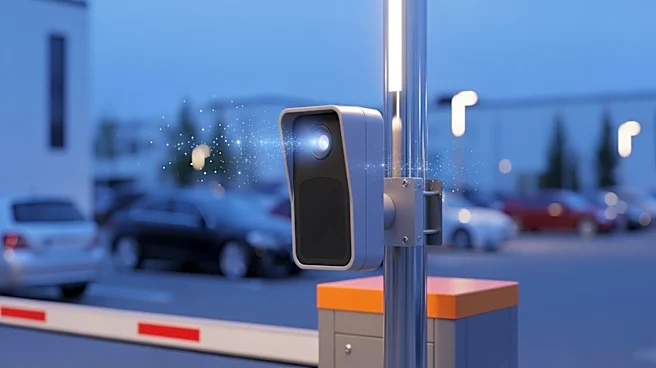
Major retailers such as Walmart, Home Depot, Lowe's, and Costco are utilizing automated license plate readers (ALPRs) to enhance security and prevent crime at their stores. These companies assert that
they handle the data collected responsibly, with measures in place to protect privacy. However, privacy advocates and community members express concerns over the lack of public oversight and potential misuse of data, particularly regarding its use by law enforcement agencies for purposes like immigration enforcement. Some retailers, like Lowe's, have faced shareholder proposals demanding more transparency and privacy assessments, which were ultimately voted down. Despite assurances from companies about their data protection practices, critics argue that the technology's capability to track movements is intrusive and lacks sufficient regulation.
Why It's Important?
The deployment of ALPRs by retailers raises significant privacy issues, as these systems can track individuals' movements and potentially share data with law enforcement without public knowledge or consent. This situation highlights the tension between enhancing security and protecting individual privacy rights. The lack of clear regulations and oversight on the use of ALPRs by private entities could lead to potential misuse of data, affecting public trust and consumer behavior. Retailers face the challenge of balancing security needs with privacy concerns, which could impact their reputation and customer relations. The debate underscores the need for clearer policies and possibly new legislation to govern the use of such surveillance technologies.
What's Next?
As privacy concerns grow, there may be increased pressure on retailers to adopt more transparent practices and possibly face regulatory scrutiny. Advocacy groups are likely to continue pushing for stricter regulations and oversight of ALPR use, potentially leading to legislative action at the state or federal level. Retailers might need to engage more with stakeholders, including privacy advocates and customers, to address concerns and build trust. The ongoing debate could also influence other industries that use similar surveillance technologies, prompting a broader discussion on privacy and data protection in the digital age.