

What's Happening?
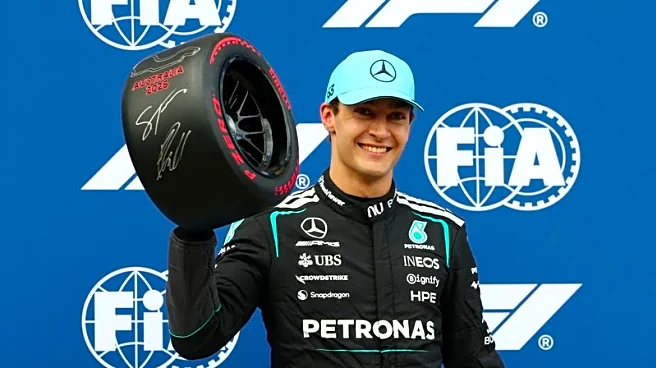
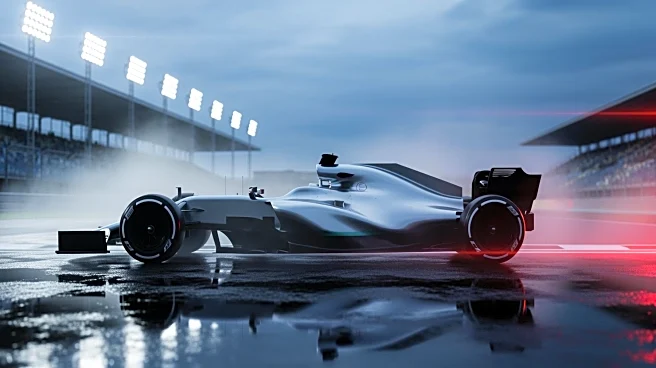
George Russell claimed pole position for Mercedes at the Australian Grand Prix, marking a strong start to the 2026 Formula 1 season. His teammate, Kimi Antonelli, completed a front-row lockout for Mercedes, showcasing the team's dominance. Russell's performance
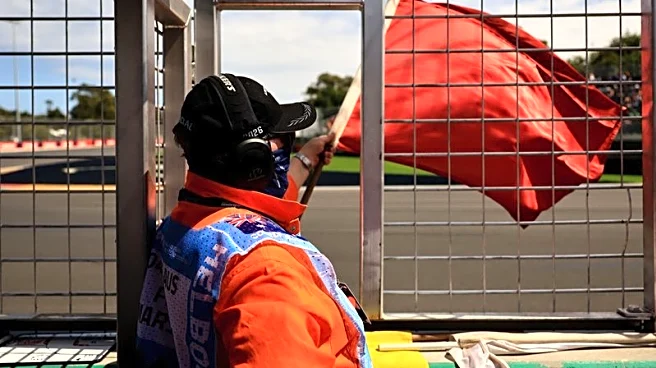
was nearly three-tenths faster than Antonelli, with Isack Hadjar of Red Bull securing third place. The session was marked by a crash involving Max Verstappen, who hit the barriers during Q1, resulting in a red flag. Despite the crash, Verstappen was cleared to race after undergoing medical checks. Mercedes faced a fine for releasing Antonelli's car in unsafe conditions during Q3, but the team managed to repair the car in time for qualifying.
Why It's Important?
Mercedes' strong performance in the season opener underscores their potential dominance in the 2026 Formula 1 season. The team's ability to secure the top two positions in qualifying highlights their competitive edge, which could set the tone for the rest of the season. This development is significant for the Formula 1 landscape, as it suggests a continuation of Mercedes' historical success in the sport. The crash involving Max Verstappen, a key competitor, adds an element of unpredictability to the race, potentially affecting Red Bull's strategy and performance. The fine imposed on Mercedes for unsafe car release also highlights the importance of adhering to safety regulations in the sport.
What's Next?
The Australian Grand Prix race is set to take place, with Mercedes starting from a strong position. The team's performance in the race will be closely watched to see if they can maintain their qualifying advantage. Red Bull will need to strategize effectively to overcome the setback from Verstappen's crash. The race will also test the reliability of the new power units and chassis introduced for the 2026 season, with potential implications for all teams. The outcome of the race could influence team strategies and driver standings early in the season.