






What's Happening?
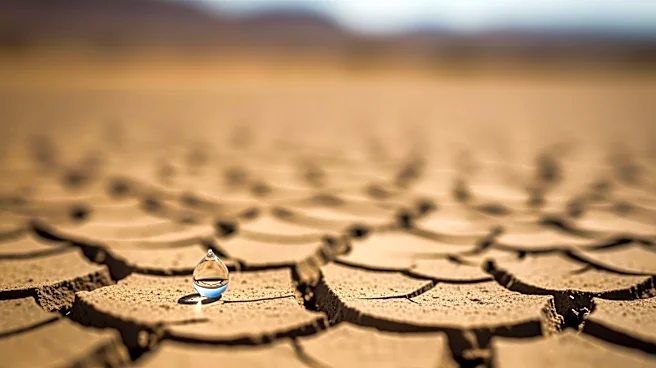
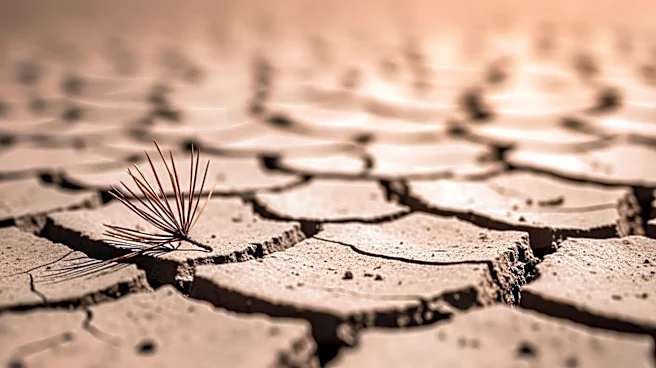
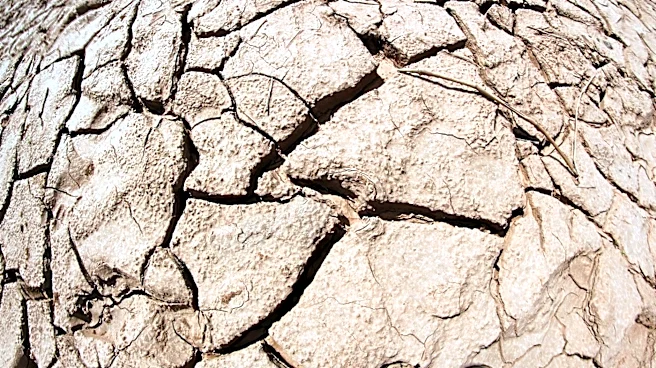
The Old Farmer’s Almanac has issued guidance for gardeners in anticipation of a hotter and drier summer across the United States in 2026. The Almanac predicts above-average temperatures and uneven rainfall, which could stress plants and soil. Gardeners
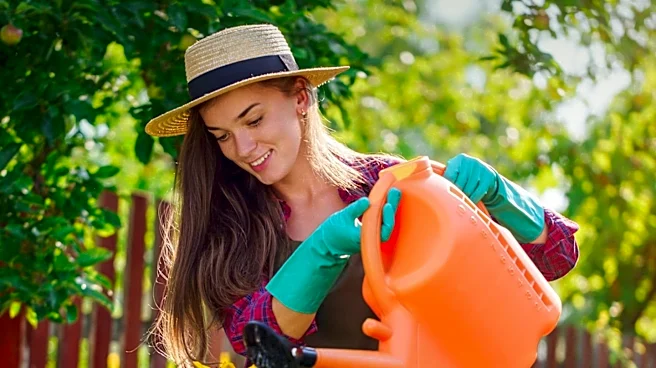
are advised to adopt strategies such as watering deeply and strategically, improving soil moisture retention, and using efficient watering systems like drip irrigation. The Almanac also suggests prioritizing essential plants and considering drought-tolerant varieties to cope with the expected dry conditions. This advice comes as scientific data indicates that summers are becoming hotter and longer due to climate change, affecting gardening practices nationwide.
Why It's Important?
The guidance from the Old Farmer’s Almanac is crucial for gardeners facing the challenges of climate change, which is altering traditional gardening practices. As temperatures rise and rainfall becomes less predictable, gardeners must adapt to ensure the survival of their plants. This situation highlights the broader impact of climate change on agriculture and food security, as home gardens play a role in local food production. The advice also underscores the importance of sustainable gardening practices that conserve water and enhance soil health, which are essential for building resilience against climate variability. By adopting these strategies, gardeners can mitigate the effects of dry conditions and contribute to environmental sustainability.
What's Next?
Gardeners may need to continue adapting their practices as climate conditions evolve. This could involve experimenting with new plant varieties and techniques that are more resilient to heat and drought. Additionally, there may be increased interest in community gardening initiatives that promote knowledge sharing and resource pooling. Policymakers and agricultural extension services might also play a role in supporting gardeners through educational programs and resources that address climate-related challenges. As awareness of climate impacts grows, there could be a shift towards more sustainable and climate-resilient gardening practices, benefiting both individual gardeners and the broader community.