






What's Happening?
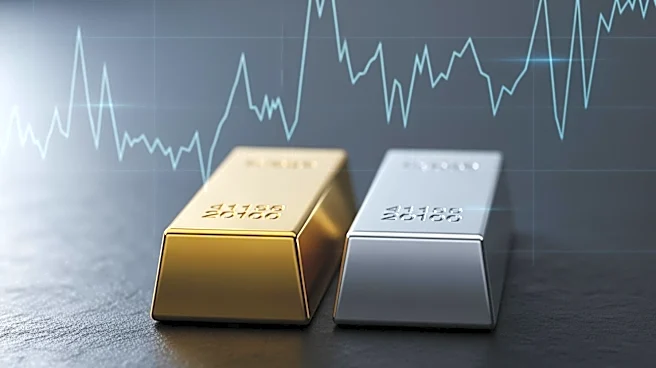
Gold and silver prices are currently navigating a challenging environment as they remain caught between fears of rising interest rates and stress in the bond market. Analysts have observed that while long-term bonds are ending the week lower than their
recent highs, they still remain at elevated levels. The yield on 30-year U.S. Treasuries is above 5%, and 10-year notes are above 4.5%. This situation presents significant headwinds for gold and silver, as higher bond yields could prompt the Federal Reserve to increase interest rates by the end of the year. Such a move would raise the opportunity cost of holding non-yielding assets like gold and silver. However, there is also a potential for a bond crisis, which could enhance the appeal of precious metals as a wealth preservation tool. Analysts like Naeem Aslam from Zaye Capital Markets and John Murillo from B2BROKER Group are closely monitoring the situation, noting that while gold faces short-term challenges, it could see long-term gains if inflation remains persistent.
Why It's Important?
The current dynamics in the bond market and the potential for interest rate hikes have significant implications for investors and the broader economy. Rising bond yields and the possibility of a bond crisis could lead to increased volatility in financial markets. For investors, particularly those holding gold and silver, the situation presents both risks and opportunities. If the Federal Reserve decides to raise interest rates, it could dampen the attractiveness of gold and silver as investment options. However, if a bond crisis materializes, these metals could become more appealing as safe-haven assets. The broader economic impact includes potential shifts in investment strategies and increased scrutiny of inflationary pressures, which could influence consumer behavior and economic growth.
What's Next?
In the coming weeks, market participants will be closely watching key economic indicators, including the U.S. Conference Board Consumer Confidence Survey and the second print of first-quarter GDP data. Additionally, the release of the monthly Personal Consumption Expenditures (PCE) Index will be critical in assessing inflationary trends. These data points will provide further insights into the Federal Reserve's potential actions regarding interest rates. Investors will also be monitoring geopolitical developments, such as the ongoing conflict in the Middle East, which could further influence market dynamics and the demand for safe-haven assets like gold and silver.