







What's Happening?
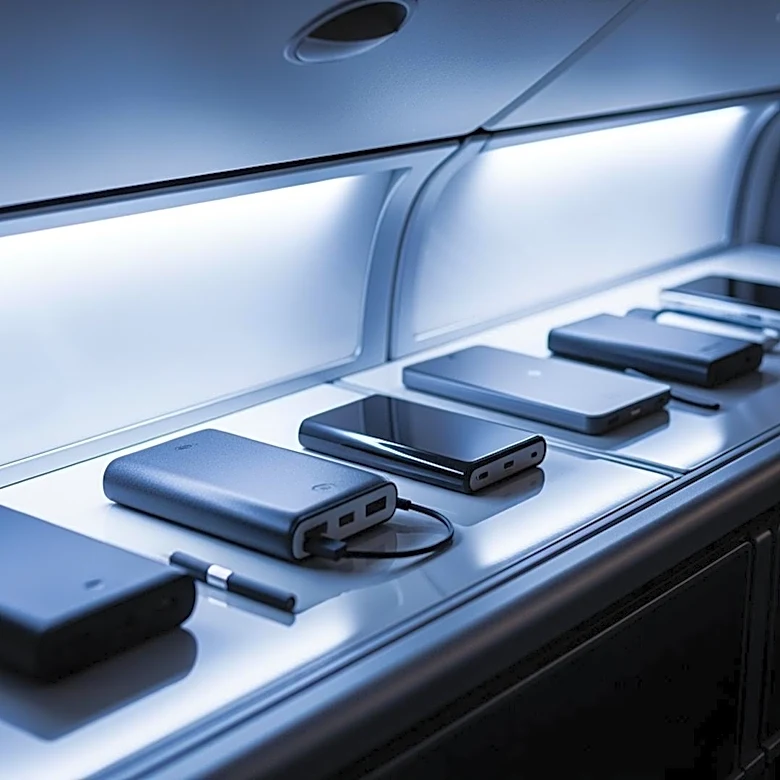
A recent study by Expedia Group has found that travelers allocate an average of $500 of their trip budget to non-travel-related purchases. This spending pattern is particularly notable among travelers from the U.S., France, and Australia, who spend as much
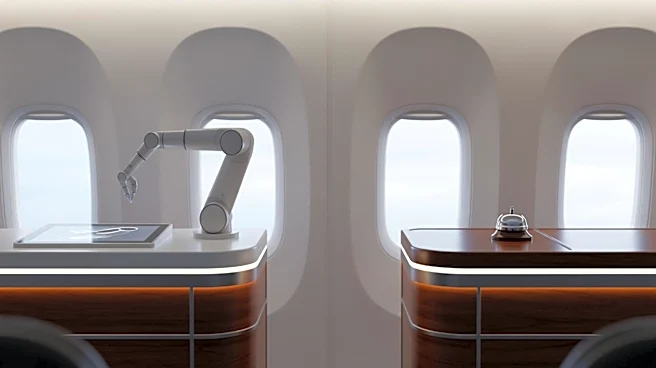
as $660, $650, and $610, respectively. This trend highlights a significant consumer segment for the retail, electronics, and financial services sectors. Additionally, a survey by Ada indicates that 50% of U.S. travelers are indifferent to whether customer service is provided by AI or human agents, emphasizing the importance of efficient service resolution over the mode of service delivery.
Why It's Important?
The findings underscore the economic impact of travel beyond traditional sectors, as travelers' discretionary spending supports various industries. This trend presents opportunities for businesses to capitalize on travelers' spending habits by offering products and services that cater to their needs. The indifference towards AI or human customer service suggests a shift in consumer expectations, where the focus is on the quality of service rather than the method of delivery. This could drive further integration of AI in the hospitality and travel industries, potentially leading to cost savings and improved service efficiency.