







What's Happening?
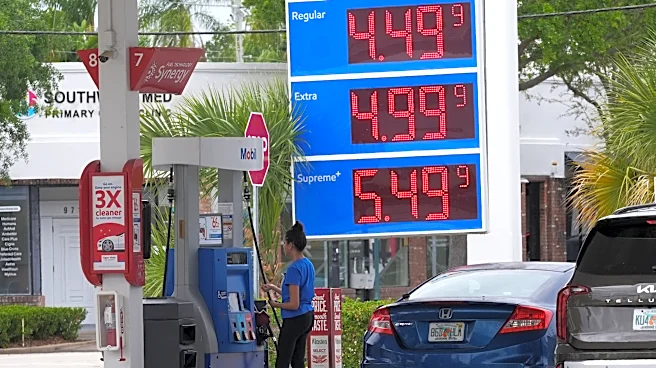
Amazon has announced the introduction of a 3.5% fuel and logistics-related surcharge on seller fulfillment fees, set to begin later this month. This decision comes in response to escalating fuel costs, which have surged since the onset of the conflict
with Iran. The surcharge will be applied to sellers using Amazon's fulfillment services, including Fulfillment by Amazon (FBA) and Multi-Channel Fulfillment. The surcharge will be calculated based on fulfillment fees rather than the sale price of items, averaging $0.17 per unit for FBA sellers, though it will vary depending on item size. Amazon's move mirrors similar actions by other carriers, such as UPS and FedEx, which have also increased their fuel surcharges.
Why It's Important?
The implementation of this surcharge by Amazon is significant as it may lead to increased prices for consumers. Sellers on Amazon face the challenge of either absorbing the additional costs, which would reduce their profit margins, or passing these costs onto consumers through higher product prices or increased shipping fees. This development highlights the broader impact of rising fuel prices on logistics and retail sectors, potentially affecting consumer spending and market dynamics. As oil prices remain high, the ripple effect could extend beyond Amazon, influencing pricing strategies across various industries reliant on shipping and logistics.
What's Next?
Sellers may adjust their pricing strategies in response to the surcharge, potentially leading to gradual price increases for consumers. The ongoing volatility in oil prices suggests that these surcharges could persist, prompting businesses to explore alternative cost-saving measures or efficiencies. Additionally, consumer behavior may shift as shoppers become more price-sensitive, impacting sales volumes and competitive dynamics within the e-commerce sector.