





What's Happening?
At the 79th Cannes Film Festival, South Korean filmmaker Park Chan-wook emphasized the importance of integrating politics into art, arguing that political statements should not be seen as adversarial to artistic expression. Park, who is chairing the festival's
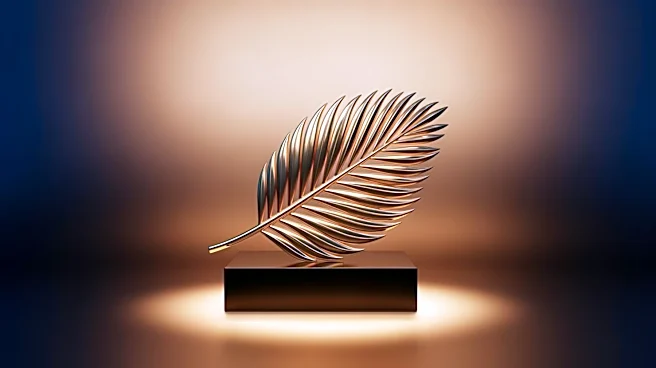
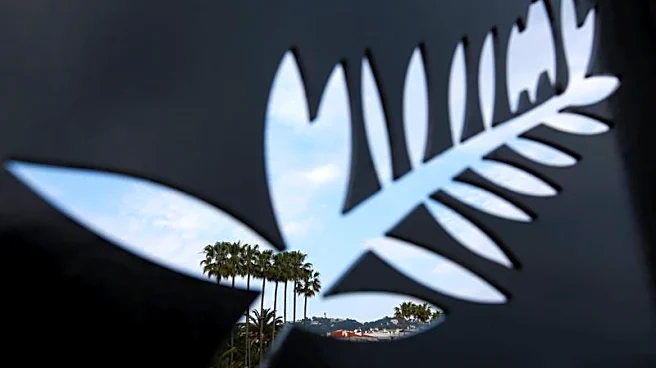
jury, stated that art and politics should not be divided, and that films with political messages should not be dismissed as propaganda if they are artfully expressed. His comments came during a press conference, where he was joined by other jury members, including Hollywood star Demi Moore. Moore also spoke on the topic, expressing concerns about self-censorship in the arts and the need for creative freedom. The festival's jury, which includes notable figures like Chloé Zhao and Stellan Skarsgård, will award the Palme d'Or to one of the 22 films in competition.
Why It's Important?
The discussion at Cannes highlights the ongoing debate about the role of politics in art, particularly in cinema. Park Chan-wook's stance underscores the potential for films to address significant social and political issues, influencing public discourse and cultural understanding. This perspective is crucial as it challenges the notion that art should remain apolitical, advocating instead for a more engaged and reflective approach to filmmaking. The festival's focus on political expression also reflects broader industry trends, where filmmakers are increasingly using their platforms to comment on global issues. This can impact how films are produced, distributed, and received by audiences, potentially leading to a more politically aware and socially responsible film industry.
What's Next?
As the Cannes Film Festival progresses, the jury, led by Park Chan-wook, will continue to evaluate films that may incorporate political themes. The outcome of the festival, particularly the awarding of the Palme d'Or, could signal a shift in the types of films that are celebrated and promoted within the industry. Additionally, the discussions initiated at Cannes may influence other film festivals and industry events, encouraging filmmakers to explore political themes more openly. The festival's conclusion on May 23 will provide further insights into the direction of political expression in cinema.