







What's Happening?
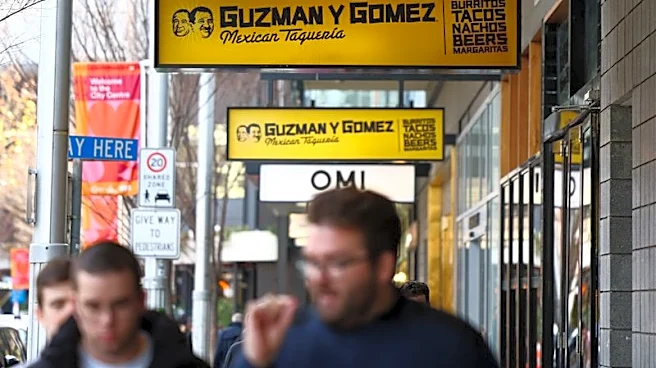
Guzman y Gomez, an Australian-based Mexican fast food chain, has announced the closure of all its restaurants in Lake and McHenry counties, marking its exit from the Chicago area. The decision comes six years after the chain entered the U.S. market, starting
with a location in Naperville in 2020. The company expanded to several locations in the Chicagoland area, including Crystal Lake, Deerfield, and Buffalo Grove. The closure was announced on May 22, with the company citing strategic missteps as a reason for the withdrawal. Steven Marks, the founder, noted that the snowy Chicago climate and a focus on drive-thrus were among the factors that did not favor their business model. Marks expressed gratitude to the customers and staff, acknowledging the challenges faced in the U.S. market.
Why It's Important?
The closure of Guzman y Gomez's U.S. operations highlights the challenges international brands face when entering the American market. The decision underscores the importance of market research and strategic planning, particularly in adapting to local conditions such as climate and consumer behavior. For the local economy, the closure means a loss of jobs and a reduction in dining options, impacting both employees and patrons. The move also reflects broader trends in the fast food industry, where adaptability and understanding of regional markets are crucial for success. This development may serve as a cautionary tale for other international brands considering expansion into the U.S.
What's Next?
While Guzman y Gomez has exited the U.S. market, the company continues to operate in Australia, Singapore, and Japan. The closure may prompt the company to reassess its international expansion strategies, potentially focusing on markets with more favorable conditions. For the U.S. fast food industry, this could lead to increased opportunities for local and other international competitors to fill the gap left by Guzman y Gomez. Additionally, the company may explore alternative strategies or partnerships if it considers re-entering the U.S. market in the future.