






What's Happening?
The luxury hospitality sector is experiencing significant growth as it heads into 2026, driven by factors such as the experience economy, the spending power of baby boomers, and the K-shaped pandemic recovery. However, the industry faces fierce competition,
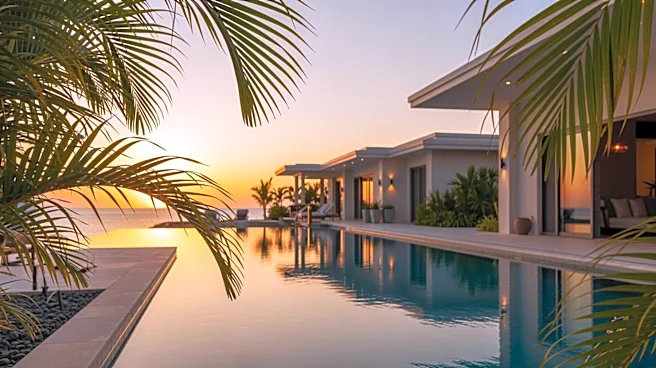
necessitating innovative strategies to remain relevant. One key trend is the rise of branded residences, which help offset increasing construction costs and provide additional revenue streams. These residences allow for greater investment in amenities and design, enhancing brand prestige and making projects financially viable. Additionally, luxury hotels are diversifying their traveler base to mitigate risks associated with relying on a few key markets. This involves understanding different cultural spending habits and adapting sales and marketing strategies to a multipolar travel world. The industry is also responding to overtourism by promoting 'cultural season' travel and developing luxury properties in emerging areas.
Why It's Important?
The developments in the luxury hotel industry have significant implications for the broader hospitality market. The shift towards branded residences reflects a strategic adaptation to economic pressures, allowing luxury brands to maintain profitability while meeting rising consumer expectations. This trend also highlights the importance of flexibility in responding to global travel patterns, as hotels must cater to a more diverse and unpredictable traveler base. The focus on sustainability and authentic experiences aligns with the values of younger generations, who are becoming a key demographic for luxury travel. As the industry evolves, hotels that successfully integrate these elements into their offerings are likely to gain a competitive edge, attracting a loyal customer base and ensuring long-term success.
What's Next?
Looking ahead, luxury hotels will need to continue innovating to stay ahead of market trends. This includes further investment in branded residences and the development of unique, experience-driven offerings that resonate with younger travelers. Hotels must also enhance their understanding of global economic shifts and cultural spending behaviors to effectively target emerging markets. As overtourism remains a concern, the industry may see increased investment in less crowded destinations, offering opportunities for growth in new regions. Additionally, the emphasis on sustainability and authenticity will likely intensify, with hotels adopting more environmentally friendly practices and creating meaningful connections with local communities.
Beyond the Headlines
The luxury hotel industry's focus on branded residences and diversified traveler bases reflects broader economic and cultural shifts. As construction costs rise and consumer expectations evolve, the industry must balance financial viability with the delivery of high-quality experiences. This dynamic underscores the importance of strategic planning and adaptability in a rapidly changing global landscape. Furthermore, the emphasis on sustainability and authenticity highlights a growing awareness of environmental and social responsibilities, which could drive long-term changes in hospitality practices. By aligning with these values, luxury hotels can not only enhance their brand image but also contribute positively to the communities they serve.