



What's Happening?
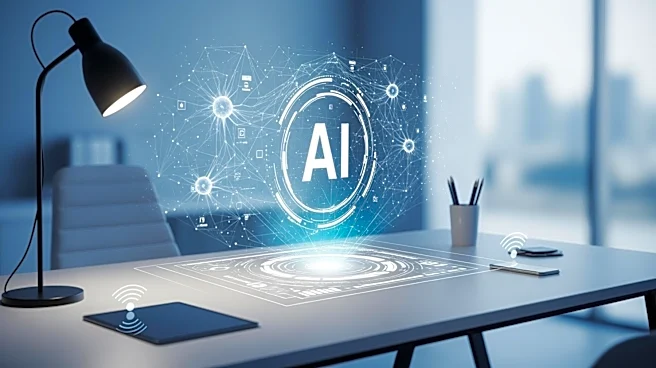
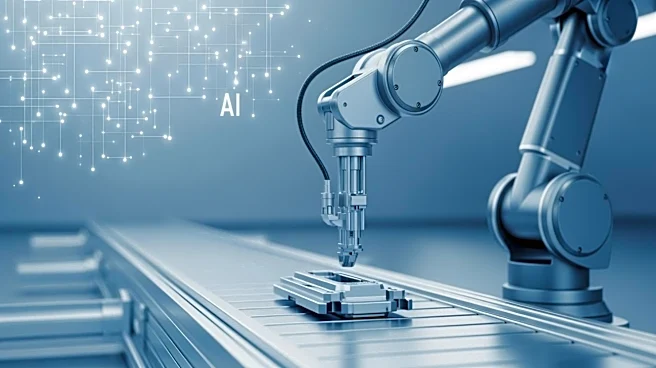
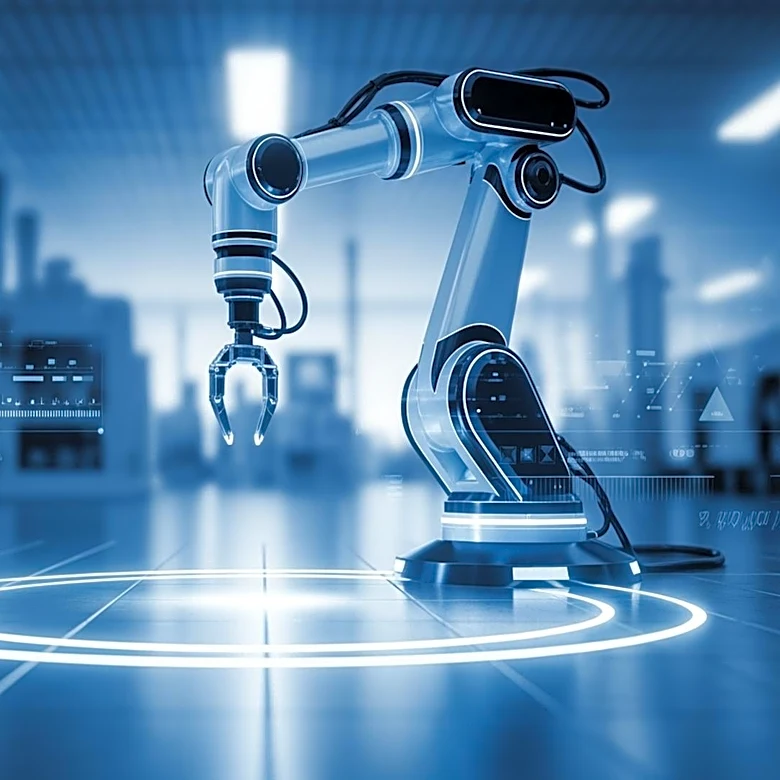
AI and automation are increasingly being integrated into the manufacturing sector to address a growing knowledge gap caused by the retirement of experienced workers. This gap poses significant challenges as it involves the loss of institutional expertise
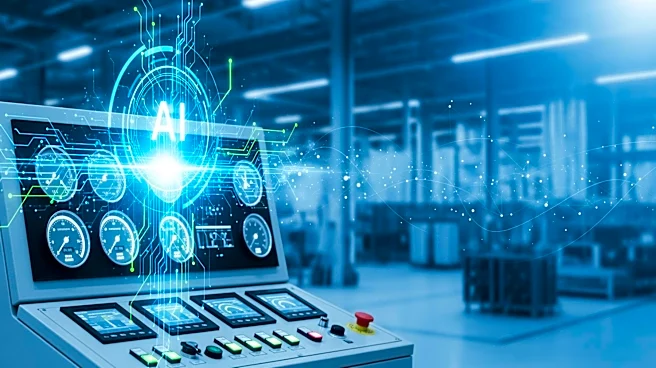
critical for maintaining operational efficiency. AI-powered knowledge management systems are being deployed to capture, validate, and store this expertise, making it accessible and usable across the enterprise. Companies like Specialized Bicycle Components have successfully implemented AI knowledge management platforms, resulting in improved content maturity scores, reduced contact center volumes, and enhanced SEO performance. These systems enable manufacturers to preserve institutional knowledge, support customer self-service, and reduce onboarding times for new employees.
Why It's Important?
The integration of AI in manufacturing is crucial as it helps mitigate the impact of workforce attrition and rising product complexity. By preserving critical knowledge, manufacturers can maintain operational efficiency and competitiveness. AI systems provide real-time, contextually relevant information, enabling frontline service teams to resolve issues more quickly and accurately. This not only improves customer satisfaction but also reduces operational costs. The ability to scale expertise across a distributed workforce ensures consistency and accuracy in service delivery, which is vital for global operations. As manufacturers face increasing pressure to deliver more with fewer resources, AI knowledge management offers a strategic advantage by enhancing productivity and reducing errors.
What's Next?
Manufacturers are likely to continue investing in AI knowledge management systems to further enhance their operational capabilities. As these systems evolve, they will likely incorporate more advanced features, such as predictive analytics and machine learning, to provide even more precise and actionable insights. Companies may also focus on integrating these systems with other digital platforms to create a more seamless and efficient workflow. The ongoing development of AI technologies will require manufacturers to continuously update and refine their knowledge management processes to ensure they remain effective and relevant. This will involve ongoing training and development for employees to maximize the benefits of AI integration.
Beyond the Headlines
The adoption of AI in manufacturing raises important considerations regarding data governance and the ethical use of technology. Ensuring the quality and trustworthiness of the knowledge base is essential to avoid misinformation and maintain user confidence. Manufacturers must establish clear processes for curating and validating knowledge assets, which involves defining ownership, review cycles, and feedback mechanisms. Additionally, the shift towards AI-driven operations may lead to changes in workforce dynamics, requiring new skill sets and potentially altering job roles. As AI becomes more prevalent, manufacturers will need to address these challenges to fully realize the potential benefits of automation.