






What's Happening?
As allergy season intensifies due to higher pollen counts and earlier onset, doctors are recommending effective over-the-counter (OTC) allergy medications to alleviate symptoms. According to allergists, second-generation antihistamines, which do not cause
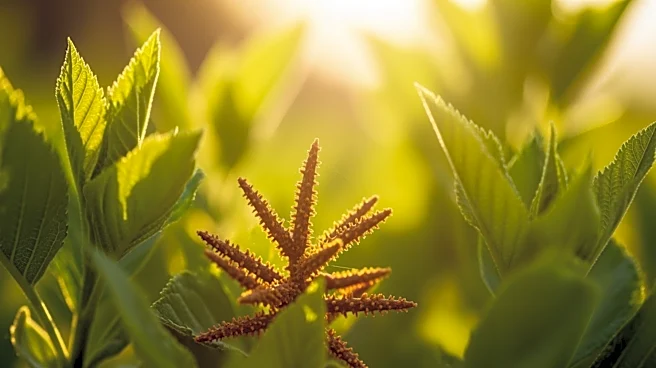
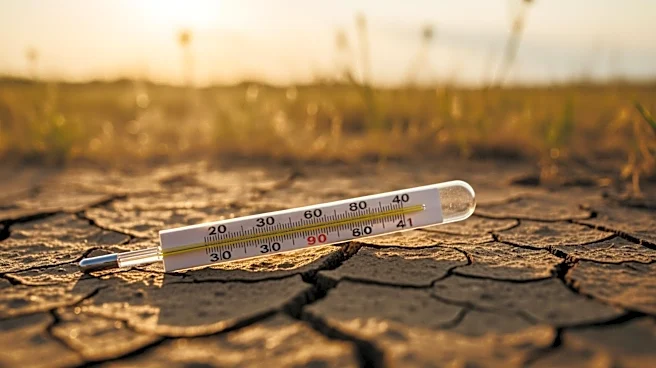
drowsiness, are as effective as prescription-strength options. The Asthma and Allergy Foundation of America reports that climate change is contributing to increased pollen levels, exacerbating allergy symptoms. Experts advise consulting with healthcare providers to choose the best OTC medication based on individual symptoms and medical conditions.
Why It's Important?
With allergy seasons becoming more severe and prolonged, effective management of symptoms is crucial for maintaining quality of life. The availability of effective OTC medications provides accessible relief for millions of allergy sufferers, reducing the need for prescription treatments. Understanding the impact of climate change on allergy patterns can inform public health strategies and individual preparedness. By promoting awareness of effective treatments, healthcare providers can help individuals manage their symptoms more effectively, reducing the overall burden of seasonal allergies.
What's Next?
As climate change continues to influence allergy patterns, ongoing research will be essential to understand its long-term effects on public health. Healthcare providers may focus on educating patients about the importance of early intervention and consistent management of allergy symptoms. Future developments in allergy treatments could include more targeted therapies that address specific allergens or symptoms. Public health campaigns may also emphasize the role of environmental factors in allergy prevalence, encouraging individuals to take proactive measures to mitigate their exposure to allergens.