
What's Happening?
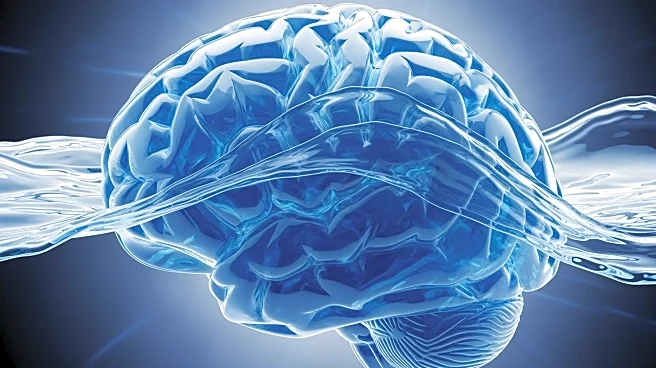
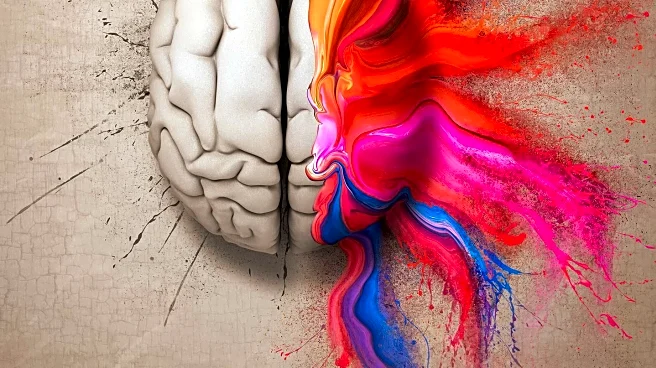
A recent study published in the journal Social Cognitive and Affective Neuroscience has uncovered how the human brain processes romantic partners differently from close friends, particularly within the brain's
reward system. The research, led by Kenji Fujisaki from Kyoto University, involved 47 heterosexual male participants in romantic relationships. Using functional magnetic resonance imaging, the study examined brain activity in response to social incentives involving romantic partners and friends. The findings indicate that the nucleus accumbens, a dopamine-rich area of the brain, encodes romantic partners distinctly from friends. However, this neural distinction diminishes as the relationship matures, suggesting a shift from passionate to companionate love.
Why It's Important?
This study provides significant insights into the biological underpinnings of romantic relationships, highlighting how the brain's reward system adapts over time. Understanding these neural mechanisms is crucial for comprehending the evolution of romantic bonds from intense passion to stable companionship. The research suggests that as relationships mature, the brain's processing of a partner becomes less distinct from that of a friend, reflecting a transition to a more stable form of love. These findings could have implications for relationship counseling and therapy, offering a biological perspective on how long-term relationships are maintained.
What's Next?
Future research is needed to explore the neural mechanisms that support enduring romantic bonds once the specific reward processing in the nucleus accumbens becomes less pronounced. Longitudinal studies could provide further insights by following individuals over time to confirm these changes. Additionally, expanding the research to include diverse samples, such as women and individuals with different sexual orientations, could determine if these neural patterns are universal. Understanding how major life transitions, like marriage or cohabitation, affect these neural patterns could also provide valuable insights into sustaining long-term relationships.
Beyond the Headlines
The study raises questions about the broader implications of reduced neural specificity for romantic partners. While this change does not imply a decline in relationship quality, it suggests a shift in how relationships are biologically maintained. Exploring complementary brain systems that support enduring bonds could deepen our understanding of romantic relationships. This research could ultimately contribute to fostering healthier and more satisfying romantic partnerships by providing insights into the neural processes underlying romantic bonding.