






What's Happening?
PacifiCorp, a utility company owned by Berkshire Hathaway, has secured a favorable ruling from the Oregon Court of Appeals that could significantly reduce its financial liabilities related to wildfire damages. The court found that a previous trial judge
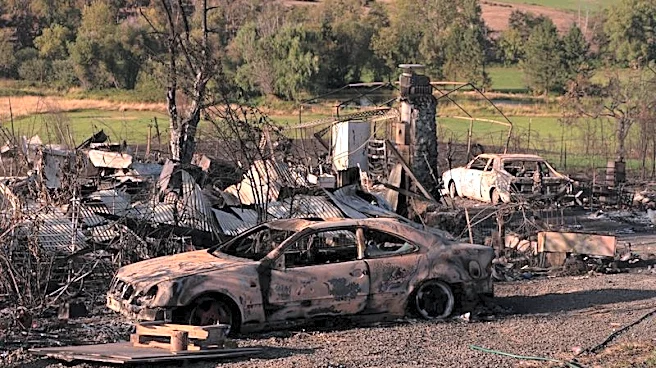
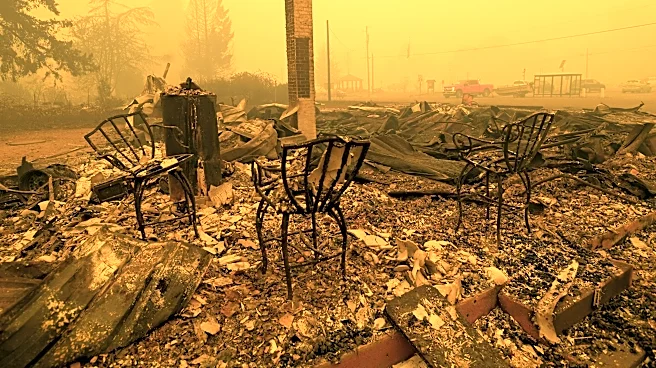
erred by instructing jurors to apply evidence from 17 homeowners' cases to a broader class of thousands of plaintiffs. This decision sends the case back to the trial court for reconsideration. The original jury had found PacifiCorp liable for not shutting down power lines during a windstorm, which contributed to multiple wildfires causing extensive property damage. The ruling affects ongoing 'mini-trials' that have already resulted in over $1 billion in damages awarded to plaintiffs. The appeals court's decision may require plaintiffs to individually prove their claims, potentially reducing the overall damages PacifiCorp might have to pay.
Why It's Important?
This ruling is significant as it could save PacifiCorp, and by extension Berkshire Hathaway, billions of dollars in potential damages. The decision highlights the complexities of class action lawsuits, especially in cases involving large-scale disasters like wildfires. For Berkshire Hathaway, this development could stabilize its financial outlook by mitigating a substantial liability. The ruling also underscores the challenges utilities face in managing infrastructure during extreme weather events, which are becoming more frequent due to climate change. This case could set a precedent for how similar cases are handled in the future, affecting utility companies' operational and legal strategies.
What's Next?
The plaintiffs may appeal the decision to Oregon's highest court, which could prolong the legal battle. Meanwhile, PacifiCorp has expressed willingness to resolve reasonable claims while defending against unsupported ones. The outcome of this case could influence future litigation strategies for both plaintiffs and utility companies. Additionally, the ruling may prompt utilities to reassess their risk management and operational protocols to prevent similar liabilities. Stakeholders, including environmental groups and regulatory bodies, will likely monitor the case closely, as its resolution could impact regulatory policies and utility practices nationwide.