






What's Happening?
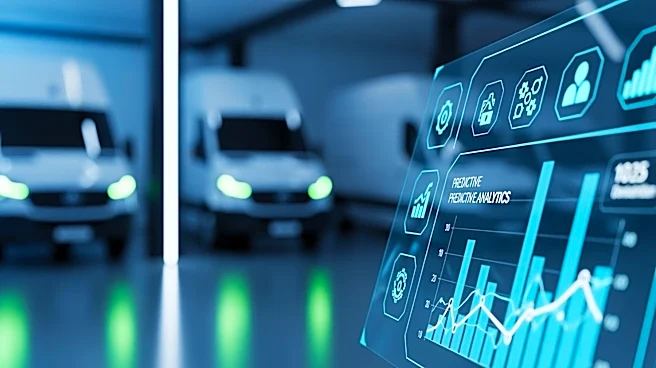
Fleet technology is undergoing a significant transformation with the introduction of predictive maintenance, marking the third wave of innovation in the industry. This development follows previous waves that focused on telematics and analytics, which
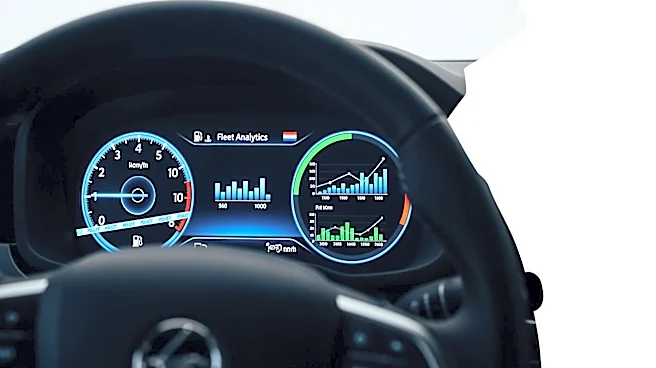
provided fleets with insights into vehicle location, driver behavior, and basic maintenance needs. Predictive maintenance leverages deeper vehicle connectivity and software-defined foundations to anticipate and prevent vehicle failures before they occur. This approach is crucial as fleet operators face rising costs and pressures, including increased vehicle prices, labor costs, and fuel volatility. Unplanned downtime remains a costly issue, with fleets losing substantial revenue due to unexpected breakdowns. The adoption of predictive maintenance has been slow due to limited access to actionable vehicle data, but modern vehicles now generate extensive internal signals that can be analyzed to prevent failures.
Why It's Important?
The shift towards predictive maintenance in fleet technology is vital for reducing operational costs and improving efficiency. By preventing vehicle breakdowns, fleets can avoid the high costs associated with unplanned downtime, which can range from $448 to $760 per day per vehicle. This proactive approach not only saves money but also enhances fleet utilization and reliability. As commercial vehicle prices and labor costs continue to rise, predictive maintenance offers a sustainable solution to manage these challenges. The ability to access and analyze real-time vehicle data allows fleets to transition from reactive to preventive maintenance, ensuring smoother operations and better resource allocation. This technological advancement is poised to benefit fleet operators by minimizing disruptions and maximizing productivity.
What's Next?
The adoption of predictive maintenance is expected to grow as fleets gain access to more comprehensive vehicle data and analytics tools. As technology evolves, fleets will likely invest in systems that enable real-time data analysis and remote diagnostics, further enhancing their ability to prevent breakdowns. Industry stakeholders, including vehicle manufacturers and technology providers, may collaborate to develop standardized platforms that facilitate data sharing and integration. Additionally, training programs for fleet managers and technicians could be implemented to ensure effective use of predictive maintenance technologies. As the industry adapts to these changes, fleets may experience improved operational efficiency and reduced costs, setting a new standard for fleet management practices.