

What's Happening?
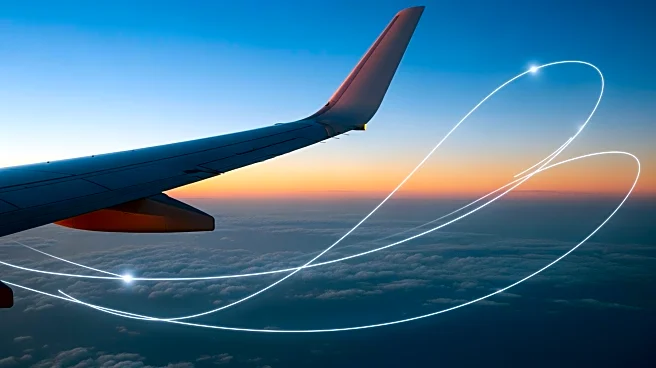
Global events, including conflicts and foreign policy changes, are affecting U.S. flight routes and costs. Airlines are rerouting flights to avoid conflict zones, leading to longer travel times and increased costs. For instance, the ongoing Russia-Ukraine conflict has closed Russian airspace to U.S. and Western airlines, affecting flights to Asia. Similarly, geopolitical tensions have impacted travel demand to regions like Iceland. Airlines prioritize safety, often resulting in rerouted flights that avoid dangerous areas. These changes highlight the dynamic nature of air travel, where geopolitical events can quickly alter flight paths and schedules.
Why It's Important?
The rerouting of flights due to geopolitical events has significant implications for the airline
industry and travelers. Longer flight routes increase operational costs for airlines, which may be passed on to consumers through higher ticket prices. This can affect travel affordability and convenience, potentially reducing demand for international travel. The need for airlines to adapt quickly to changing geopolitical landscapes underscores the importance of flexibility and safety in the aviation industry. Additionally, these disruptions can impact tourism and business travel, affecting economic activities linked to international travel.