
What's Happening?
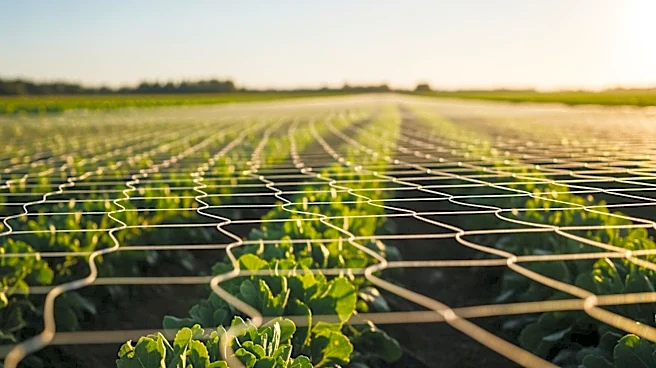
The global agriculture nets market is projected to grow from $11.4 billion in 2026 to $16.3 billion by 2033, driven by increasing demand for crop protection and sustainable farming practices. Agriculture nets, including shade nets and anti-insect nets, are
essential for protecting crops from environmental stressors like pests and extreme weather. The market's growth is supported by government initiatives promoting sustainable agriculture and the adoption of modern farming techniques. Asia-Pacific leads the market due to its large agricultural base and strong government support, while Europe and North America also show steady growth.
Why It's Important?
The expansion of the agriculture nets market reflects a broader trend towards sustainable and efficient farming practices. As climate change poses challenges to traditional agriculture, protective solutions like agriculture nets become increasingly important for ensuring food security and crop quality. The market's growth also highlights the role of government policies in promoting sustainable agriculture and the adoption of advanced technologies. For manufacturers and stakeholders, this presents significant opportunities for innovation and market expansion, particularly in regions with strong agricultural activities and supportive policies.
What's Next?
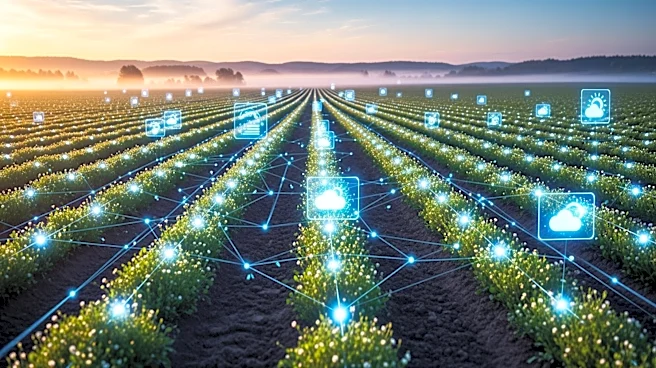
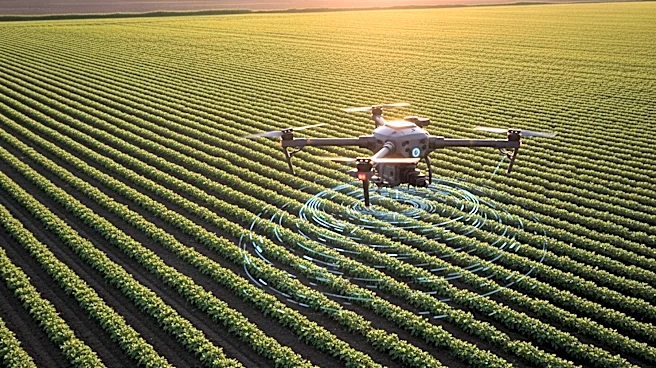
As the agriculture nets market continues to grow, manufacturers are likely to focus on developing eco-friendly and biodegradable materials to address environmental concerns. The integration of agriculture nets with smart farming solutions and precision agriculture technologies could enhance their effectiveness and adoption. Emerging markets in Asia-Pacific, Latin America, and Africa offer untapped potential for market players, driven by increasing agricultural activities and awareness of crop protection technologies. Continued innovation and government support will be crucial in driving market expansion and addressing challenges such as high costs and environmental impact.