




What's Happening?
As companies increasingly invest in artificial intelligence (AI) technologies, middle managers are being tasked with ensuring their teams adopt these tools effectively. This shift comes as organizations like Disney and JPMorgan implement measures to track
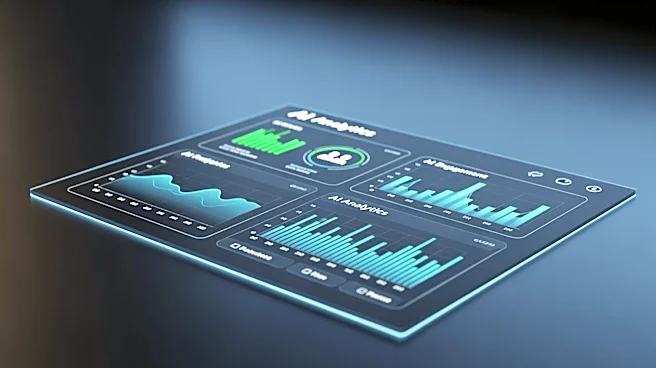
and incentivize AI usage among employees. Managers are now responsible for monitoring AI adoption through dashboards and performance reviews, aiming to demonstrate tangible productivity gains from these investments. The pressure to integrate AI into daily operations is part of a broader trend of corporate restructuring, where companies are flattening management layers and emphasizing efficiency. This new responsibility adds to the existing challenges faced by managers, who are already navigating the demands of doing more with less.
Why It's Important?
The push for AI adoption reflects a significant shift in corporate strategy, emphasizing the need for technological integration to maintain competitive advantage. By placing the responsibility on middle managers, companies are attempting to bridge the gap between strategic AI investments and practical implementation. This approach highlights the critical role of managers in driving innovation and adapting to technological advancements. However, it also raises concerns about the additional burden placed on managers, who must balance these new expectations with their existing duties. The success of this initiative could influence how companies approach digital transformation and workforce management in the future.